



Are you looking for fun and exciting STEM activities for kindergarteners?
As parents, guardians, and educators, we all know that the crucial foundations of a child’s cognitive development are laid during their early years, and kindergarten is a crucial phase in this journey.


This is a good time to start introducing young learners to the wonders of STEM (Science, Technology, Engineering, and Mathematics).
By engaging kindergartners in hands-on STEM activities, we can spark curiosity, critical thinking, and problem-solving skills that will last a lifetime. And of course, we can have a ton of fun along the way!
In this article, we will look at some of our favorite captivating STEM activities for kindergartners.
These kindergarten STEM activities, which are carefully curated to suit their age range, provide an immersive and exciting introduction to the world of STEM, setting the stage for a lifelong love of learning.

Easy Navigation
Why Include These Free Kindergarten STEM Activities in Lesson Plans?
The benefits of integrating STEM activities into kindergarten lesson plans extend far beyond the classroom walls.
STEM activities are typically designed in a way that they incorporate two or more areas of learning, bridging certain gaps and linking certain ideas to one another.
These activities also provide a hands-on way for children to explore with open-ended possibilities. They give your students the opportunity to brainstorm different ideas and outcomes and to safely test their ideas and theories.
Early exposure to STEM concepts not only ignites a sense of wonder and curiosity, but it can also help prepare kids for the world of tomorrow. Through hands-on activities and interactive lessons, students learn how to think critically, approach problems from all angles, and build a deep understanding of the underlying principles in STEM.
As parents and educators, our goal is to foster creative problem solvers who have the knowledge and skills to make an impact on our world, and STEM activities are the perfect way to help students achieve this.


Simply put, integrating these kindergarten STEM activities into lesson plans, educators and parents alike provide little ones with opportunities to engage in active learning experiences that will help them enhance problem-solving, cognitive development, fine motor skills, and spatial reasoning.
Benefits of STEM Activities for Kindergarteners
- Hands-On Learning: STEM activities encourage children to interact directly with materials, facilitating sensory exploration and fine motor skill development. This is especially important to help accommodate children with different learning styles.
- Critical Thinking: The real world is full of problems that need to be solved. Problem-solving inherent in STEM projects nurtures the ability to analyze situations, consider alternatives, and make informed decisions. This skill will help them in all aspects of their daily lives.
- Creativity Unleashed: Designing and building projects foster creative thinking, enabling children to use their imagination to come up with solutions to challenges.
- Introduction to Scientific Inquiry: These activities lay the groundwork for understanding the scientific method, laying the groundwork for future scientific experiments and learning.
- Mathematical Foundations: Basic math concepts are seamlessly woven into STEM activities, promoting early mathematical literacy, concepts, thinking processes and vocabulary through engaging experiences.
And if you need any more reasons to incorporate these STEM activities into your curriculum, the answer is simple: They are super cool and you can join in the fun!

14 Free STEM Activities for Kindergartners
1. Exploding Sidewalk Chalk Experiment

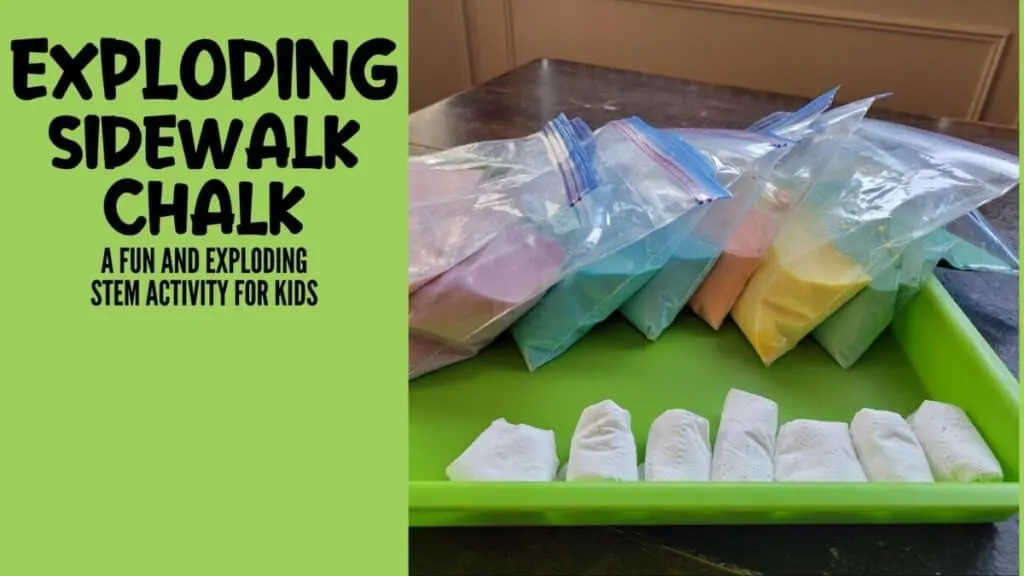
Every kid loves sidewalk chalk, it’s an easy and fun activity with little to clean up after, but this fun little experiment will make your students love it even more! This exciting activity will turn ordinary chalk into chalk bombs by simply using vinegar and baking soda. This experiment will teach students all about observing reactions that can occur when items are mixed together, in this case, baking soda and vinegar.
Read more: Exploding Sidewalk Chalk
2. DIY Bug Jar


Get out of the house or classroom and go on a fun hunt outside in nature. Find some different leaves, cool rocks, and insects, and enjoy the fresh air while cultivating a love and appreciation for the natural world. In this fun DIY bug jar activity, students will need a glass jar and lid with holes poked in. They can find items in nature to add to their bug jar and study the bugs for a few days before they let them go.
Read more: DIY Bug Jar
3. Elephant Toothpaste
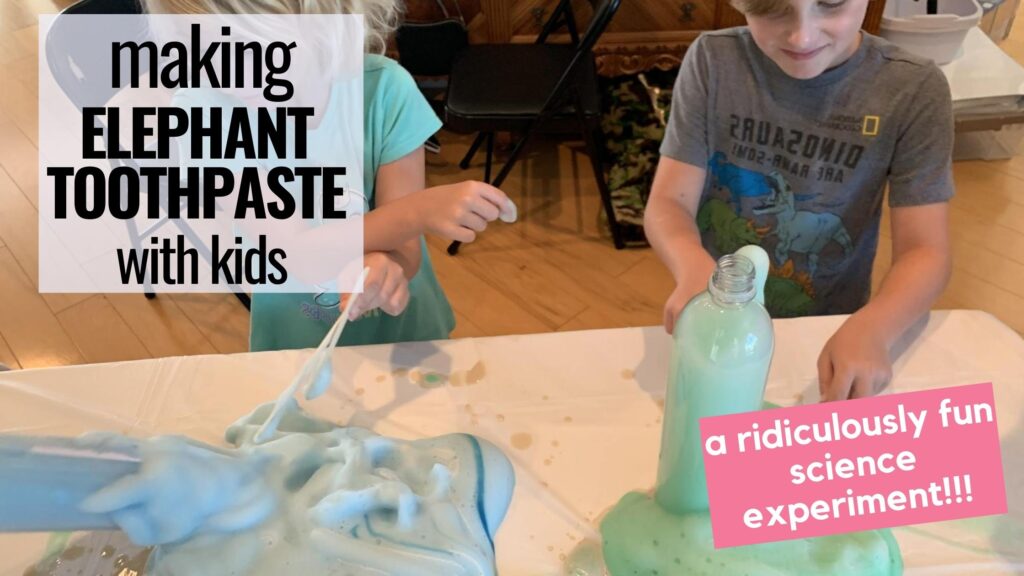
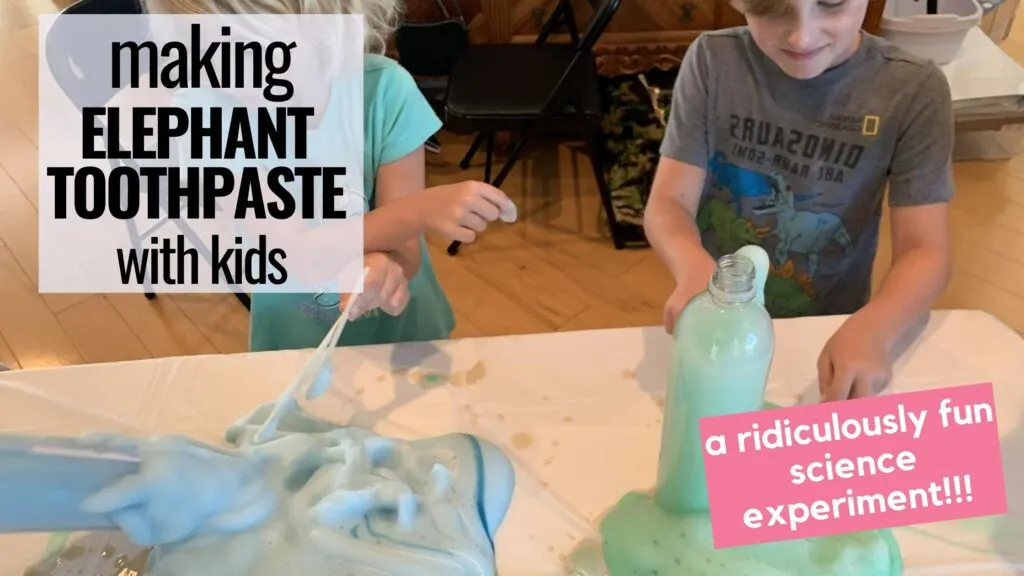
Here’s a joke for you- How does an elephant brush his teeth? He uses elephant toothpaste… Okay, the joke wasn’t funny, but this experiment sure is fun! Use hydrogen peroxide, soap, and food coloring to create this fun, foamy experiment and teach your students about chemical reactions, catalase, breakdown of substances, and even oral hygiene.


Read more: Elephant Toothpaste
4. Tin Can Ice Cream Experiment

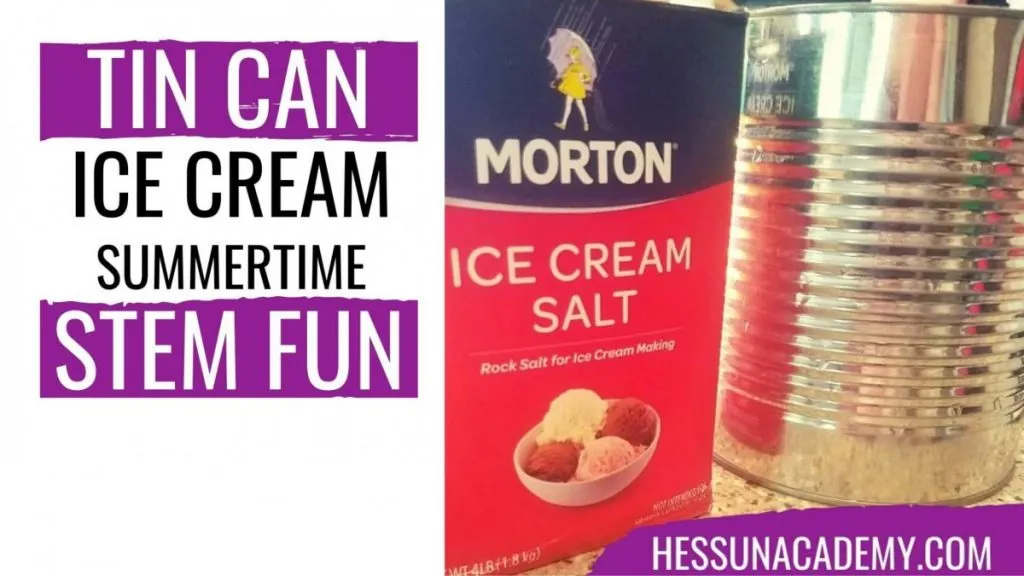
Who doesn’t love ice cream? And what’s better than buying an ice cream after school? Making your very own while learning about science! This delicious experiment will help teach students how simple physics work, and how work and force can change matter into something else. It might also teach them a little about patience and work ethic as they churn, shake, and create their own ingredients to make their own delicious ice cream. All you need is heavy whipping cream, sugar, a pinch of salt, some flavoring, and of course a tin can.
Read More: Tin Can Ice Cream
5. Homemade Pop Rocks

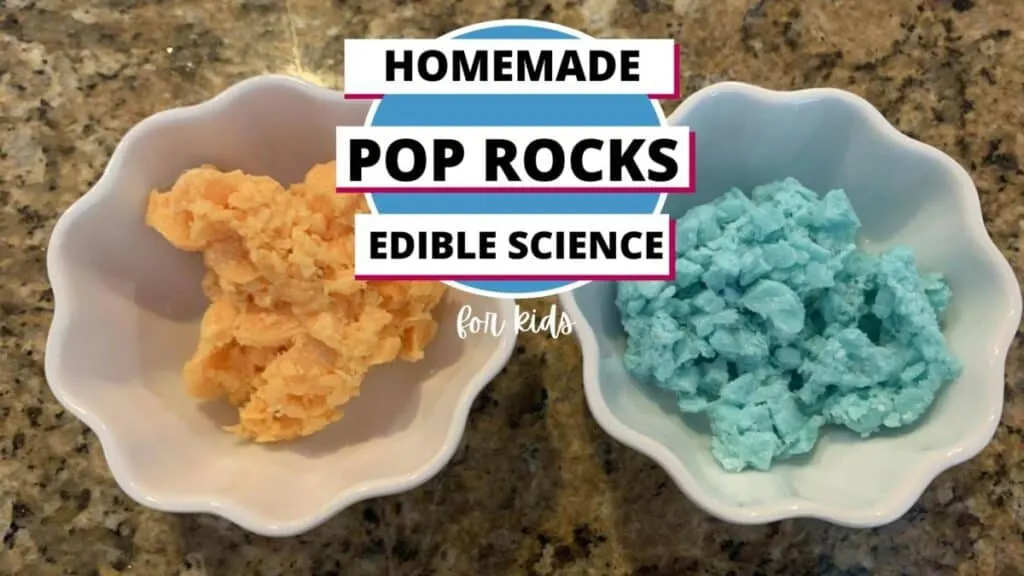
The only thing better than doing a fun experiment, is being able to eat it afterwards. Help your students get to the bottom of the mystery behind the popping candy by experimenting with the candy! You’ll need a few ingredients from the pantry for this edible experiment: sugar, baking soda, citric acid, corn syrup, water, flavoring, coloring, and corn starch.
Read more: Homemade Pop Rocks
6. Fizzing Rainbow Experiments
Embark on a colorful journey of chemical reactions by creating your very own fizzing rainbow using materials you can find around your house. Watch as the colors start to blend together and bubble in mesmerizing patterns, as the experiment and your child’s curiosity come alive. All you need is some plastic cups, baking soda, vinegar, and food coloring.
Read More: Rainbow Baking Soda Experiment
7. Build a Straw Rocket
Introduce your kindergartners to the world of physics and engineering by crafting and launching simple straw rockets. They will get to experience the principles of aerodynamics and trajectory firsthand as they launch their very own rocket using common items you can find in your home. You’ll need some straws, tape, and a picture of a rocket or cutout of a rocket of your choice. You can get extra creative and design your own rockets.
Read more: Straw Rocket
8. Rain Cloud in a Cup
Save this fun experiment for a rainy day, literally, to help teach your kindergarteners all about the water cycle and how clouds form. This experiment can help teach your students the science behind how clouds form by showing them water condensates and evaporates by using cups.
Read more: Cloud in a Cup
9. Balloon-Powered Car
Help your student learn all about engineering and mechanics as they turn a pile of trash into a moving car! By using a few upcycled items, you can teach your child all about Newton’s third law of motion- for every action there is an equal but opposite reaction. You’ll need an empty bottle, bottle caps, a wooden skewer, two straws, a balloon, tape, and scissors.
Read more: Balloon-Powered Car
10. Magnetic Fishing Game
Introduce your young learners to the captivating world of magnets through a magnetic fishing game. Use your creativity to make some beautiful fish, and add a little magnet to each one, then create a magnetic fishing rod and enjoy catching your very own fish. You know the saying- teach a kid to fish… and they’ll always want to go fishing. This fun experiment will teach your students all about magnets and how they attract and repel. It will also link their learning to real-life experiences and give you the opportunity to teach not only about magnets but also about different types of fish.
Read more: Magnetic Fishing Game
11. Play-Doh Marble Run
Learn all about gravity, strength, force, and direction with these hands-on experiments using marbles, playdoh, and other objects you can find around the house or classroom. Create a few different marble run boards using various items like cups, spoons, pans, and fidget toys to create barriers, obstacles, and alternate pathways for your marbles to roll.
Read More: Playdoh Marble Run
12. Plastic Egg Tower
Sit back and watch your little engineers build towers in this fun Easter experiment. Put those old plastic easter eggs to good use by asking your students to build a tower using the eggs and playdoh as glue. This experiment will teach them all about engineering, structural support, weightbearing, height, and many more concepts. You can add small challenges along the way to keep things fun, like tell them they can only use 10 eggs, or give them an object they need to put at the top.
Read more: Egg Tower
13. DIY Kaleidoscope
This experiment isn’t just fun, it’s also beautiful! Discover the magnificent patterns and colors by making your own kaleidoscope using toilet rolls, mylar sheets, thick white cardstock, markers, bendable straws, tape, and scissors. Create your own designs and see them reflected and refracted back to you with the beautiful design in the kaleidoscope.
Read more: Homemade Kaleidoscope
14. Penguin Raft
It’s important for students to learn how weight, balance, distribution, and buoyance all work together. In this experiment, students need to brainstorm and figure out an effective way to build a raft to help penguins safely cross the deep ocean. This is a fun little experiment that will allow children to test materials and come up with ideas to help build an effective float for the penguins. This is also a fun way to incorporate a story or book about penguins, or it can be an extension to your science lesson about penguins.
Read more: Penguin Raft
Explore More with Hess UnAcademy’s Monthly STEM Projects Subscription
For more exciting experiments and captivating STEM activities for kindergarteners and all age groups, sign up for our STEM Made Easy Digital Subscription. Each month, curated hands-on STEM project blueprints along with a ton of useful resources will arrive in your inbox, helping you create fun-filled learning tasks in no time at all, and ensuring a steady stream of engaging learning experiences.
More Useful STEM Activity Resources
- Dinosaur STEM Activities for Kids
- Quick STEM Activities
- Firework Science Experiments & STEM Activities
- The Best Online STEM Classes for Kids
- Edible Science Experiments for Kids
- Fun STEAM Activities for Kids
- STEAM Activities for Elementary Kids
- STEM Activities for 1st Graders
- STEM Activities for 2nd Graders
- STEM Activities for 3rd Graders
- STEM Activities for 4th Graders
- STEM Activities for 5th Graders
- STEM Activities for Teens
Final Thoughts on Kindergarten STEM Activities
Incorporating STEM activities into your kindergarten curriculum can help your students with building their curiosity and creative thinking skills.
The carefully curated STEM activities for kindergarteners presented above not only set them up for academic success but also nurture a lifelong thirst for knowledge and exploration. As kindergartners enjoy and create these exciting experiments and go on the journey of discovery, they acquire a profound connection with the world of STEM, where every experiment and inquiry contribute to a brighter, more enlightened future.
- 10 Fantastic Free Stem Activities For 4th Graders - June 4, 2025
- 10 Free Stem Activities For 1st Graders - June 4, 2025
- The 9 Best No Prep STEM Activities & Projects - June 4, 2025