


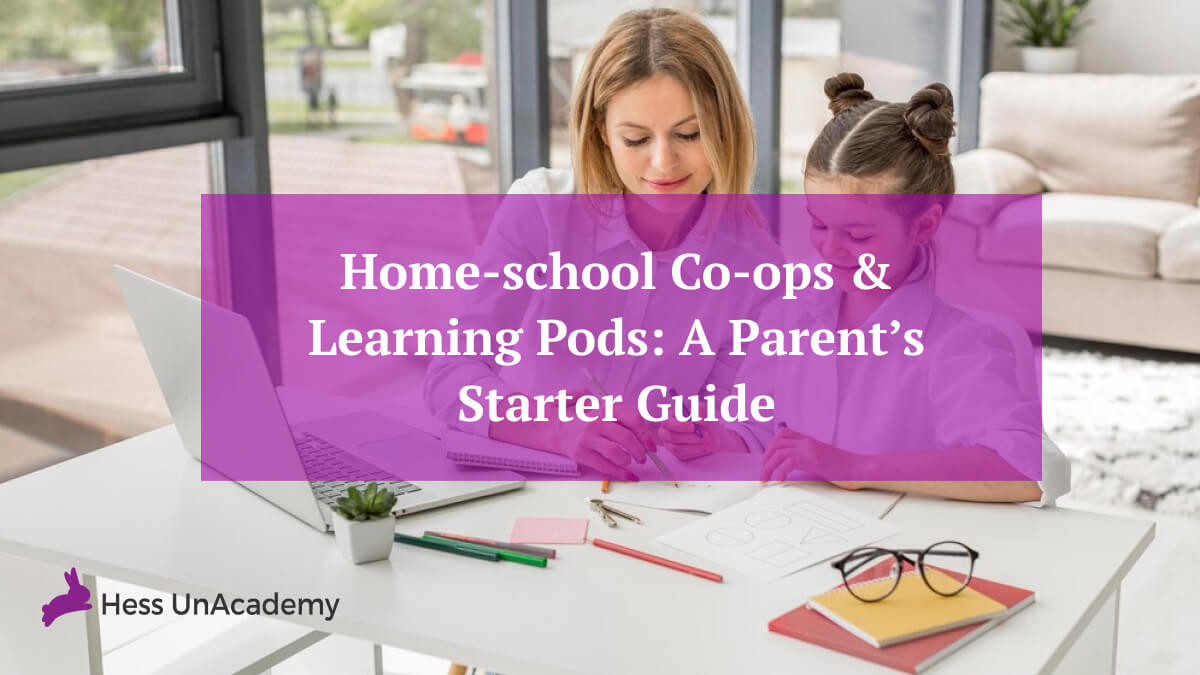
Embarking on a home-school journey can seem overwhelming at first, but with the right strategies and community resources like home‑school co‑ops and learning pods, you can create an enriching educational environment right at home. Discover detailed insights, practical advice, and real-world examples designed to empower parents, guardians, and educators as you craft a learning experience that meets your child’s unique needs.
Easy Navigation
Understanding Home‑school Co‑ps and Learning Pods
What Are Home‑school Co‑ps?
Home‑school co‑ops are educational collectives where families come together, pooling resources and talents to offer group classes or learning sessions. These co‑ops can range from weekly reading circles to science experiments and are structured to supplement home education. For example, one co‑op might invite a retired teacher to explain historical events through interactive group discussions, while another might focus on art and creative writing projects. Home‑school co‑ps are flexible, allowing you to tailor the curriculum to your child’s interests while also building a supportive learning community.


What Defines a Learning Pod?
Learning pods, often referred to as micro-schools, are smaller in scale and typically involve a handful of families joining together in a low-risk, focused learning environment. In a learning pod, parents and educators collaborate closely to design lessons that suit the diverse learning styles and paces of children. Many parents have taken to learning pods during times of uncertainty as a safe alternative to traditional schooling, ensuring that social interaction and personalized educational experiences remain a priority.
How They Differ and Overlap
Both home‑school co‑ps and learning pods share a common goal—to enrich the educational landscape outside of formal school systems. However, while co‑ps usually rely on a shared resource model where expertise is exchanged among multiple families, learning pods often centralize teaching responsibilities with one or two primary educators, sometimes even a parent teacher. The collaborative spirit is at the heart of both approaches, meaning that regardless of the structure, the focus is always on creating supportive, engaging learning environments.
Benefits of Embracing These Models
Social Interaction and Community Building
One of the primary advantages of home‑school co‑ps and learning pods is the opportunity for children to develop social skills in a structured yet relaxed environment. When learning with peers, children learn negotiation, collaboration, and empathy, which are not always the focus in a strictly one-on-one home-schooling setting. For parents, interacting with other families offers a chance to share resources, strategies, and moral support, enhancing both the educational experience and family connections.
Personalized Learning Experiences
The flexibility inherent in these group formats enables a highly personalized approach to education. In learning pods, lessons can be adapted to various learning styles—be it visual, auditory, or kinesthetic—and co‑ps often incorporate diverse topics that might not fit into a traditional curriculum. A parent in one pod might introduce real-world financial literacy through a simple business simulation, while another co‑op might bring in a guest speaker for a deep dive into environmental science. This adaptability is ideal for fostering distinctive talents and interests in each child.
Shared Expertise and Resource Efficiency
In a typical home‑school co‑p, every family contributes something unique. One parent might be a scientist passionate about hands‑on experiments, while another might excel at literature and creative storytelling. This sharing of expertise not only enriches the curriculum but also reduces the individual burden of lesson planning and research. By pooling resources—including books, digital tools, and even home‑grown materials—parents enjoy a broader educational palette than they might have access to on their own.
Flexibility and Control Over the Curriculum
A key benefit for many parents is the ability to set their own learning pace and style. Both home‑school co‑ps and learning pods allow educators to pivot quickly—whether that means extending an engaging lesson or moving on to a new topic when attention wanes. This flexibility results in a more responsive environment that fits the individualized learning curve of every child. In this way, education becomes a truly collaborative journey that prioritizes curiosity and tailored instruction.
Getting Started: Steps for Initiating a Co‑op or Pod
Assessing Your Goals and Needs
Before beginning, take time to outline your educational objectives. Consider what subjects or skills are priorities for your child. Do you need more social interaction? Are there specific academic areas that require parental or specialist involvement? Answering these questions strengthens your foundation for choosing between a co‑p and a pod. For many families, establishing clear goals can help in selecting partners who share similar expectations, ensuring a cohesive learning strategy.
Researching Available Local Resources
Every community has unique strengths that can support a home‑school co‑p or learning pod. Check with local libraries, community centers, and parent groups to discover available resources. Sometimes, nearby universities or local museums offer workshops or guest lectures that can beautifully complement your chosen model. If your area lacks organized networks, consider starting one—often, word of mouth and social media will help rally like‑minded families. This research phase is vital for understanding your community’s potential.
Defining Structure and Curriculum
Deciding on the structure of your co‑p or pod requires careful planning. Determine if you’ll have regular meetings (weekly, biweekly, or monthly) and decide on potential subjects or themes for each session. Include flexibility in the planning process to accommodate evolving interests or seasonal topics. Many successful co‑ps use a rotating schedule of subjects, where each family can take on a teaching role, contributing sessions according to their expertise. By laying out a plan that is both structured yet flexible, you set the stage for long‑term success.


Establishing Clear Communication Channels
Effective communication is the backbone of any group endeavor. Decide on regular meeting times and preferred platforms—be it email groups, messaging apps, or even dedicated online forums. This ensures that everyone stays informed about session plans, curriculum updates, or any changes in scheduling. Transparent communication not only helps with planning but also builds trust among group members, encouraging more active participation from all families.
Practical Tips for Running a Successful Co‑p or Pod
Setting Roles and Responsibilities
Each family in your co‑p or pod should have a clearly defined role. Roles might range from curriculum coordination, activity planning, to snack provision. Some parents might lead science experiments while others manage creative arts sessions. By assigning responsibilities, you prevent overburdening any single family, while also ensuring that every session is as robust and engaging as possible. Consider creating a rotating schedule so that all members get an equal opportunity to contribute their strengths.

Budgeting and Resource Management
Financial planning is an essential aspect of running any group educational initiative. Establish a group budget early on, discussing potential costs for materials, venue hire (if applicable), or guest instructors. Many co‑ps operate on a contribution‑oriented system where families pitch in for essential supplies, splitting costs equally. This approach not only fosters a sense of community ownership but also ensures that cost isn’t a barrier to participating in a quality educational experience for your child.
Addressing Challenges and Conflict Resolution
As with any group venture, disagreements or misunderstandings might arise. Lay out clear guidelines and conflict resolution strategies at the outset. Designate a mediator or small committee whose responsibility it is to handle disputes. By establishing these norms early on, families know how to respectfully navigate any issues that may come up, ensuring a continuous, positive atmosphere for both children and adults.
Integrating Technology and Innovative Learning Tools
Modern teaching isn’t complete without technology. Integrating digital tools—such as interactive whiteboards, online educational resources, or video conference sessions with experts—can greatly enrich your sessions. Some learning pods have found success by incorporating apps that track progress and encourage interactive participation. By thoughtfully balancing screen time with hands‑on activities, you offer children a well‑rounded educational experience that is both engaging and forward‑thinking.
Real‑World Case Studies and Success Stories
A Tale of Two Families in a Co‑p
Consider the story of the Johnsons and the Garcias, two families who came together to form a co‑p focused on STEAM (Science, Technology, Engineering, Art, and Mathematics) activities. One session involved building simple robotics kits, where the Johnsons, armed with a background in engineering, led the practical demonstrations. At the same time, the Garcias shared creative storytelling techniques that linked technology with art. Their collaborative efforts resulted in an environment where children not only learned technical skills but also discovered creative ways to apply them.
Learning Pods in Action During Challenging Times
In the midst of unexpected school closures, many families created learning pods that quickly adapted to provide stability and routine. For instance, a pod in a mid‑sized city organized daily outdoor classes that combined academic lessons with physical exercise and nature exploration. This blend of education and play not only bolstered academic achievement but also promoted physical health and mental well‑being. By tapping into community parks and resources, this pod successfully turned potential disruption into an opportunity for innovative learning.


How Local Partnerships Enhance the Experience
Local partnerships can take your co‑p or pod to the next level. One inspiring example involves a group of families collaborating with a local science museum. The museum provided access to educational exhibits and hosted special after‑hours sessions exclusively for the pod members. Such partnerships offer enriched learning opportunities that regular home‑schooling may lack and underscore the value of building strong relationships within your community.
Adapting Curricula: Tailoring Learning to Fit Unique Needs
Meeting the Needs of Diverse Learners
Every child learns differently. In a co‑p or pod setting, it’s crucial to recognize and accommodate differing learning styles. For visual learners, incorporating charts, videos, and diagrams can enhance understanding, while auditory learners might benefit from discussions and storytelling. Kinesthetic learners, on the other hand, thrive on hands‑on projects—such as science experiments or role‑playing exercises. By designing sessions that cater to these varied needs, you ensure that every participant is engaged and supported. This personalized approach is central to creating a dynamic and inclusive educational environment.
Adapting to Different Age Groups and Skill Levels
Another challenge of group learning is managing different age groups and skill levels. One effective strategy is to break sessions into smaller groups temporarily so that each child receives more targeted attention. For example, during a language arts session, older children can help younger ones with vocabulary and comprehension exercises. Such peer‑to‑peer mentoring not only reinforces learning for the tutor but also builds a sense of responsibility and camaraderie across age groups. Tailoring the curriculum with breakout sessions or parallel learning tracks can make all the difference in a diverse educational group.
Incorporating Project‑Based Learning
Project‑based learning brings a practical, hands‑on approach to complex subjects. In many co‑ps and pods, projects like community gardens, small business simulations, or historical reenactments facilitate deeper understanding by linking theory with practice. For instance, when studying ecosystems, children might design and build their own mini‑ecosystem terrariums. Not only does this reinforce scientific principles, but it also teaches planning, problem‑solving, and teamwork. The resulting projects often become a highlight of the educational journey, offering both academic and personal growth opportunities.
Practical Considerations and Final Steps
Scheduling and Time-Management
Effective scheduling is key when you have multiple families with varying routines. A well‑planned calendar ensures that sessions don’t conflict with other family commitments and that every child receives the appropriate amount of learning time. It’s helpful to create a digital calendar that all families can access and update. This clarity minimizes the stress of last‑minute changes and communicates commitment to a shared vision for education.
Legal and Regulatory Considerations
Before launching a co‑p or pod, familiarize yourself with local home‑schooling regulations. Depending on your state or region, there might be specific requirements to maintain legitimacy and safety in your educational endeavors. Many co‑ps have found it beneficial to join local or regional home‑school networks where these regulatory details are discussed and clarified. Staying informed is part of creating a safe, compliant, and thriving learning environment.
Building a Sustainable Community
Long‑term sustainability depends on creating systems that work for all members. Establish a yearly review to assess the co‑p or pod’s effectiveness, gather feedback, and adjust plans accordingly. Consider hosting an annual open house where families can present their projects, celebrate successes, and outline future goals. This constant cycle of reflection and improvement builds a resilient, forward‑thinking community that continually evolves with its members’ needs.
Staying Inspired Through Continuous Learning
For both parents and children, the educational journey is an ongoing process of discovery. Attend workshops, engage in online courses, or read up on new teaching methodologies. By staying updated on pedagogical trends, you can continuously refine the learning experience your co‑p or pod offers. Remember that every challenge is an opportunity for growth, and every session is a chance to draw inspiration from one another.
Practical Take‑aways and Actionable Tip
Summarizing the Essentials
To get started with home‑school co‑ps or learning pods, first define your family’s educational goals and explore the resources available in your community. Develop a flexible yet structured curriculum that caters to different learning styles and ages, and establish clear boundaries, communication channels, and scheduling systems. Whether you decide to pool expertise within a co‑p or opt for a more centralized learning pod model, the aim is to create an environment that fosters both academic excellence and social growth. Real‑world examples have shown that when families work together, education becomes a truly transformative, enjoyable experience.
Your Next Step: Join a Community of Like‑Minded Parents
If you’re inspired to take the plunge and build an enriching learning environment for your child, take the next step now. Visit our Hess UnAcademy FaceBook group to connect with experts, access planning tools, and join a network of supportive educators and parents committed to transforming home‑schooling into a vibrant, collaborative adventure. Remember, every great educational journey begins with a single, informed step. Embrace the challenge, foster community, and create a learning space where your child can truly thrive!
- Love Languages in Learning: How Children Receive Encouragement Differently - February 2, 2026
- Valentine’s Day Ideas for Homeschoolers - January 25, 2026
- Parent Self-Care & Homeschooling: Why It Matters and 5 Simple Strategies - January 12, 2026