



There’s a question every educator—especially those of us who don’t live inside the walls of a traditional classroom—must eventually face:
What’s the point of all this?


Is it memorizing state standards? Completing a worksheet stack? Passing a test?
Or is it something deeper?
At Outsiders Adventure Co., we don’t teach to the test.
We teach to the child.
And not just the child as a student, but the child as a whole human—capable of wonder, hungry for purpose, built to engage, question, and contribute.
We believe the truest test of an educational philosophy is simple:
Do the students love learning?
Do they lean in with curiosity?
Do they want to keep going even when it’s hard?
Do they feel confident, capable, and deeply connected to what they’re learning?
If the answer is yes, you’re doing something right.
Easy Navigation
Teaching Beyond the Test
Standardized tests can’t measure resilience.
They can’t capture the spark in a child’s eye when they build a fire from flint and dry grass for the first time.
They can’t assess the growth that happens when a student calmly bottle-feeds a goat or helps dress a wound on a chicken.
They certainly can’t measure how a neurodivergent learner feels when they dissect a frog and realize, “I can do hard things.”
At Outsiders, we’ve built our entire approach around this principle:
competence leads to confidence.
And confidence opens the door to lifelong learning.
When students feel capable—when they’ve been given the dignity of doing real, meaningful work—they become unstoppable.
Why We Teach Real-World Skills
Children of all ages deserve the opportunity to engage in real, purposeful learning.


We don’t offer lessons simply to fill time. We offer opportunities for students to encounter life with their senses, their hands, and their hearts. Whether it’s cooking over an open flame, assembling a water filtration system, dissecting with reverence, or learning to navigate with a compass, each lesson is designed to answer the question:
What can I do with what I’m learning?

This is especially transformative for unconventional learners or those who’ve struggled to thrive in traditional settings. These students have often been underestimated, over-tested, and under-engaged.
But when you put tools in their hands and teach them how to use their knowledge—not just regurgitate it—you begin to see something shift.
You begin to see dignity restored.
From Dissection to Dignity
Let’s talk about something that’s raised eyebrows and opened hearts in equal measure: dissection.
Yes—our students dissect. But not with a sense of grotesque fascination or for the shock factor. We dissect because we honor life, and we believe reverence belongs in science. We believe that curiosity should be met with clarity, not avoidance.


One of the most impactful moments we’ve witnessed came during a simple frog dissection.
Before we began, we gathered the students and talked about respect—how this frog was once alive, how its sacrifice helps us learn, and how we would treat it with the same honor we would want for ourselves. Students asked thoughtful questions. Some opted to observe. But every single one of them walked away having learned more than anatomy.
They learned responsibility.
They learned stewardship.
They learned that education and empathy can live side by side.
But here’s the deeper truth:
All learning should be a kind of dissection.
Not just looking at the trees, but turning the leaves over.
Ask: What do you see? What do you touch? What does it taste like? What do you hear or smell?
Education should awaken every sense. It should invite students to go deeper, to peel back the layers, to examine the inside of things, and—maybe most importantly—to wonder why.
This is especially transformative for students who’ve experienced instability, trauma, or disconnect from the natural world. These are the learners who are often told to sit down, be quiet, and stop asking so many questions.
We say: Ask more.
Dissect the world around you.
Not just with your eyes, but with your heart.
For these students, this kind of learning isn’t just academic. It’s healing.
Because when you give a child tools—both literal and metaphorical—to understand the world, you give them back their sense of place in it.
Why Skills Matter—Especially for System-Involved Youth
For many of the students we serve through our non-profit, Outsiders Nation—students in the juvenile system, those who’ve experienced neglect, or youth navigating unimaginable circumstances—the classroom has not been a safe or empowering place.
They’ve heard “you can’t” far more than “you can.”
They’ve been labeled, sidelined, and pushed to memorize facts that feel meaningless to their lived reality.
But ask that same student to build a debris shelter.
Design a rollercoaster.
To manage the care of animals.
To tend to a garden.
To prep a meal, clean up after themselves, and teach someone else how to do the same…
You’ll watch them rise.
Because real skills awaken something deep: a sense of purpose. A belief that maybe they’re not broken after all. Maybe they were just made for something different.
When we focus on skills before systems, the results are clear:
Students don’t just become more capable. They become more themselves.
The Mess Is the Magic
We’ll be the first to admit: our lessons aren’t always clean.
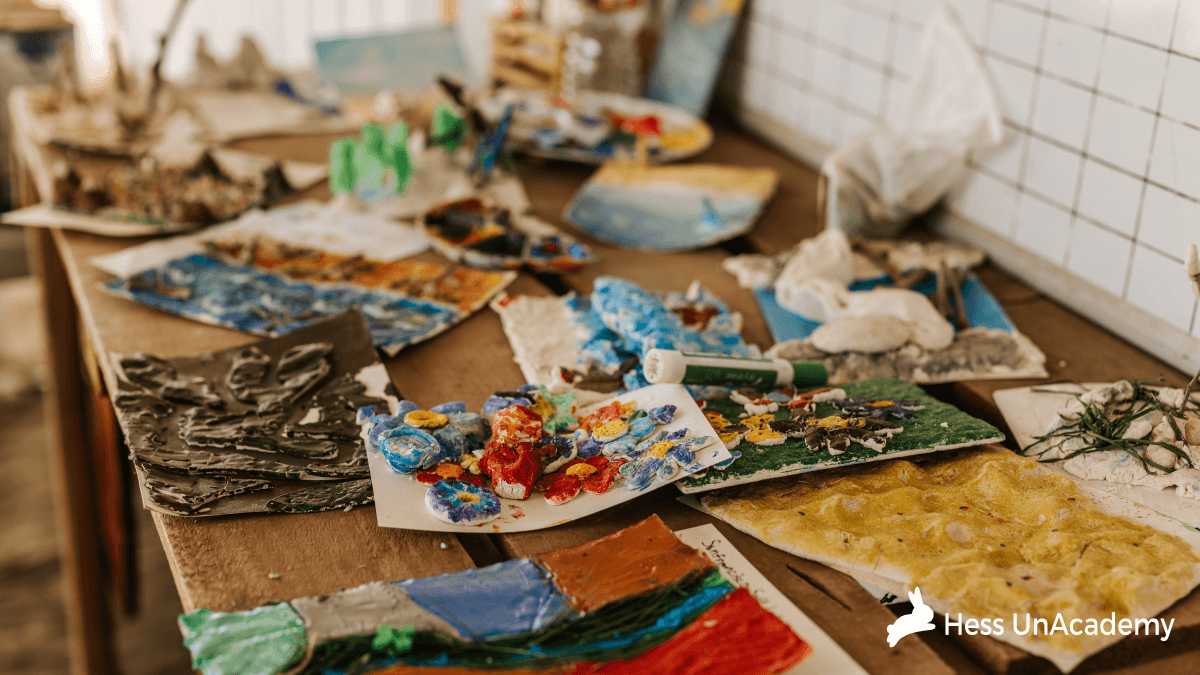
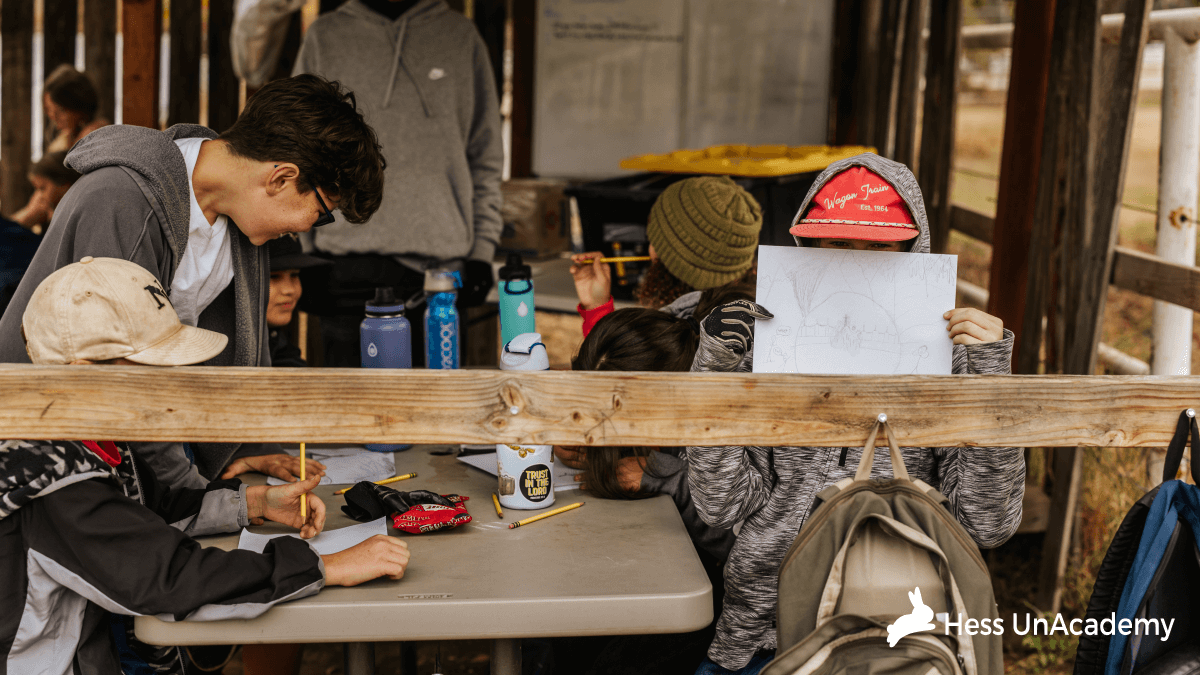
There are feathers on the ground, mud on the floor, fish guts in the trash, tools half-assembled, and notebooks filled with smeared graphite and messy sketches.
But there’s also laughter. Leadership. Learning that sticks.
Because when students experience education as something they participate in—not just something they pass through—they start to own it.
We’ve seen kids who couldn’t sit through a ten-minute worksheet sit patiently for thirty minutes while testing the buoyancy of an ROV they built from pool noodles and syringes. We’ve watched quiet kids find their voice as they explain how to bake over a campfire. We’ve watched formerly disruptive students become the most trusted animal caretakers on the property.
None of this came from a bubble test.
It came from giving them the dignity of real work.
Why This Matters Now More Than Ever
In a world of information overload and digital distraction, teaching students how to take action—real, physical, tangible action—is more important than ever.
We don’t need more students who know how to memorize and regurgitate.
We need students who know how to think, to try, to fail and try again, to build, to reflect, and to create.
We need learners who understand the world because they’ve worked in it. Not just watched it through a screen.
And the best way to raise those learners?
Start now. Start small. But start real.
Make the bread. Dissect the fish. Change the oil. Measure the shadows. Build the pulley. Learn the name of every bird at the feeder. Draw the frog. Write the story. Share the meal.
Competence Builds Confidence. Confidence Builds Love.
When students feel capable, they begin to feel confident.
And when they feel confident, they begin to take risks.
And when they begin to take risks, they start to see themselves as learners.
Not just students. Not just boxes to check.
But learners in the deepest, truest sense.
That’s what we want.
Not kids who can test well, but kids who want to learn forever.
This is what real education does.
It doesn’t just prepare students for a test.
It prepares them for life.
A Final Word to Fellow Educators and Families
If you’re feeling overwhelmed by all the “should” of curriculum, testing benchmarks, or what your kids are “supposed to know” by a certain age—take a breath.
Then look at your children. Really look.
What do they love? What are they curious about? What gets their hands moving or their feet out the door? What are they hungry to do?
Start there.
That’s where learning lives.
You don’t need to have it all figured out.
You don’t need to be perfect.
But you do need to believe that your children are wired for learning—and that giving them meaningful work to do is one of the greatest gifts you can offer.
You can build a curriculum around that.
We have.
And we’re here to help you do the same.
- Love Languages in Learning: How Children Receive Encouragement Differently - February 2, 2026
- Valentine’s Day Ideas for Homeschoolers - January 25, 2026
- Parent Self-Care & Homeschooling: Why It Matters and 5 Simple Strategies - January 12, 2026