


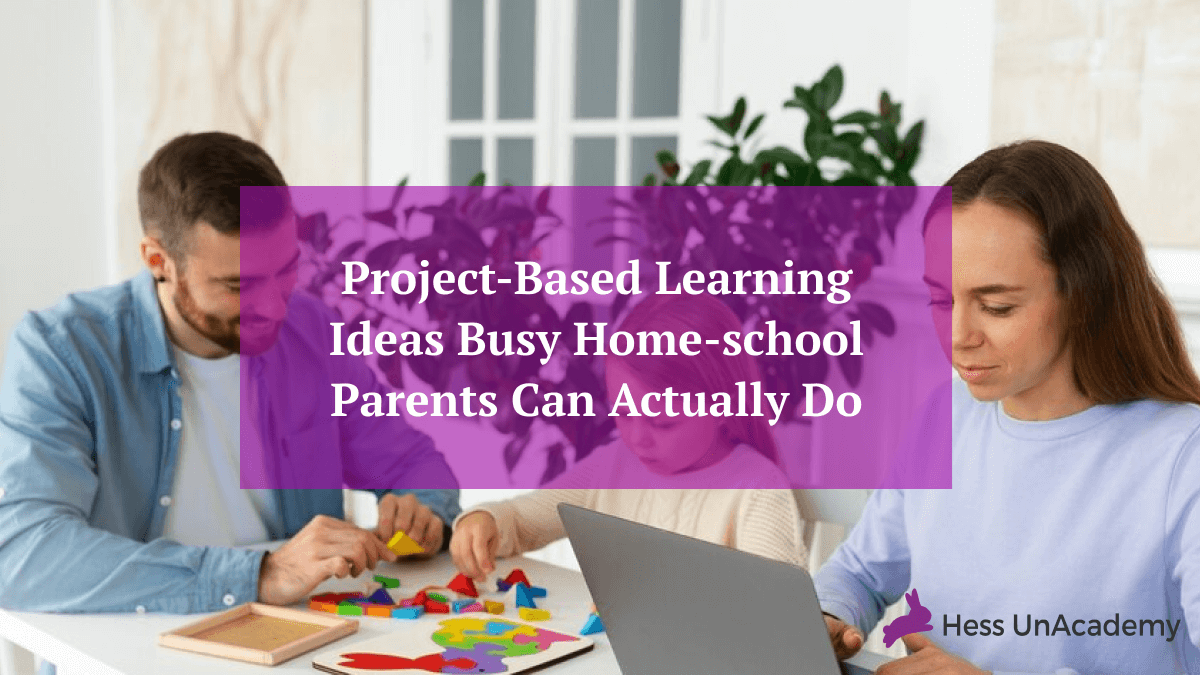
Project-based learning for home-school parents doesn’t have to be overwhelming. If you’re balancing teaching with daily life, PBL can actually simplify your routine. It transforms lessons into meaningful, hands-on experiences that make learning more engaging for kids—and more manageable for you. With real-world applications and creative projects, PBL fosters critical thinking, collaboration, and joy in education.
Easy Navigation
Introduction: Understanding Project‑Based Learning in the Home‑School Context
Project‑based learning is a teaching method built around real‑life challenges and investigations. Instead of traditional lectures or rote tasks, children collaborate on projects that have tangible outcomes. In the busy world of home‑schooling, PBL shifts the focus from following preset lessons to cultivating skills like problem‑solving, research, and collaboration. As a parent‑educator, embracing PBL not only rejuvenates your teaching approach, but it also creates an enriching environment where your child can take the reins of their own education.


What is Project‑Based Learning?
In its essence, PBL asks students to work on projects that require deep understanding, critical thinking, and real‑world applications. Whether it’s building a model, writing a report or even launching a small business project, the process transforms everyday subjects into investigative journeys. This method empowers children to ask “what if?” while learning how to explore solutions actively.
Why Busy Home‑school Parents Should Consider PBL
As a busy home‑school parent, you may be overwhelmed by curriculum demands and daily life pressures. PBL provides a refreshing alternative by allowing a flexible, self‑driven, and integrated learning experience. It removes much of the rigidity of textbook learning, offering instead opportunities for children to learn at their own pace and delve into topics that captivate their interest. The process is as enjoyable for you as it is for your child, making learning a shared, collaborative adventure rather than an isolated task.
Benefits of Project‑Based Learning for the Homeschool Environment
Project‑based learning isn’t simply about completing an assignment; it instills essential life skills and nurtures independence. When structured effectively, PBL transforms your home classroom into an ecosystem of discovery, problem solving, and innovation.
Real‑World Relevance
PBL bridges the gap between theoretical classroom lessons and the real world. Setting tasks that mirror real‑life scenarios ensures that learning is meaningful and practical. For instance, planning a community garden project involves research, budgeting, and environmental studies—all skills that are immediately applicable beyond the classroom.
Enhanced Motivation and Engagement
Children are naturally curious, and project‑based learning capitalizes on this by turning lessons into engaging challenges. When they see the tangible output of their work, their enthusiasm for learning amplifies. Every small success reinforces their confidence, making them more willing to tackle complex problems in innovative ways.
Cultivation of Critical Thinking Skills
PBL encourages children to analyze, synthesize, and evaluate information rather than simply memorizing facts. It creates an environment where trial and error are part of the learning journey. This approach helps develop adaptive thinking skills that are indispensable in a world where problem‑solving is key.
Setting Up Project‑Based Learning at Home: First Steps
Transitioning to a project‑based learning approach doesn’t require a complete overhaul of your current curriculum. Start small by integrating one project into your existing routine and gradually expand as you and your child become more comfortable with the process.
Identifying Suitable Projects
The first step is to select projects that align with your child’s interests and the curriculum standards you want to cover. Ask your child about their hobbies or topics that fascinate them and connect these interests to academic goals. For example, if your child loves animals, a project on local wildlife conservation could fuse biology, research skills, and environmental studies.
Developing a Flexible Plan
Create a planning document or a calendar specifically for your project. Outline the goals, milestones, and resources needed. Incorporate regular check‑ins to assess progress and adjust the project outline as needed. This structure will allow you to balance home‑school teaching with everyday routines.


Gathering Materials and Resources
Resources for PBL are diverse and flexible. Utilize local libraries, online tutorials, community experts, and digital platforms to gather the needed materials. The beauty of project‑based learning is that it often teaches resourcefulness – an essential academic and life skill. Your child learns how to seek out and evaluate sources, building a foundation for independent research.
Practical Project‑Based Learning Ideas for Busy Home‑school Parents
Here are some practical and engaging PBL ideas designed for the busy home‑school parent, covering a range of subjects and interest areas. Each idea can be scaled to fit different academic levels and learning objectives.

1. Community History Project
In this project, your child explores the history of your local community. They can collect stories from neighbors, visit historical landmarks, and even create a small exhibition to showcase their findings. This project touches on history, research, and interpersonal skills. It’s an opportunity for your child to understand where they live while honing narrative, interviewing, and presentation skills.
2. Environmental Impact Journal
Encourage your child to document the environmental changes occurring in your neighborhood through a diary or blog. They could track the growth of plants, changes in local wildlife, or seasonal shifts. This project not only fosters scientific observation and data collection but also instills a sense of environmental stewardship.
3. Invent Your Own Business Challenge
One excellent cross-disciplinary project is designing and launching a mini‑business. Your child can brainstorm an idea, create a business plan, and even set up a simple online store. Elements of math are wrapped into budgeting and pricing strategies; language arts come into play while designing marketing materials; and social studies emerge when exploring market trends and consumer behavior.
4. Art and Science Crossover: Exploring Optical Illusions
Combine creativity with scientific inquiry by exploring optical illusions. Your child can investigate how our eyes perceive images, create their own set of illusions, and even demonstrate the science behind the art. This project offers a balanced mix of art, psychology, and physics while encouraging experimental thinking and hands‑on learning.
5. Local Cuisine: The Science of Cooking
Turn your kitchen into a science lab. Choose recipes from different cultures and explore the chemistry behind cooking. Your child can document changes in textures, colors, and flavors while understanding the science that makes a recipe successful. This project stimulates curiosity about food, culture, and chemistry – all while providing a delicious end product!


Effective Strategies for Balancing PBL with a Busy Schedule
For many home‑school parents, time management is the cornerstone of a successful educational experience. Incorporating project‑based learning means organizing your day to allow for deep‑dive project work while balancing other curricular activities.
Schedule Flexibility
One way to manage a busy schedule is by designing a flexible timetable that accommodates project work during periods of the day when your child is most engaged. Consider dividing the project into smaller segments that fit within shorter time blocks. This way, even on busy days, progress is made without overwhelming you or your child.
Combine Learning with Everyday Tasks
Integrate project topics into your daily routines. For instance, if your child is working on a project about nutrition, use meal preparation as a hands‑on science lesson. Relating projects to everyday experiences not only deepens understanding but also removes the barrier of extra time commitment. Your busy schedule becomes part of the learning tool.
Delegate Responsibilities
If feasible, involve older siblings or family members in the project process. Collaboration divides the workload and brings multiple perspectives to a single project. This shared approach can turn a time‑consuming task into a family activity, promoting teamwork and mutual learning.
Navigating the Challenges of Project‑Based Learning at Home
While PBL is revolutionary in its approach, it does come with its unique challenges. Common hurdles include keeping projects on track, ensuring academic rigor, and managing time effectively.
Avoiding Overwhelm
Keep projects appropriately scoped. Balance ambition with reality by setting achievable goals. Overloading your project with too many objectives can lead to frustration and burnout. Instead, break complex projects into manageable chunks and celebrate each milestone with your child.
Maintaining Accountability
A clear project plan is essential. Use visible charts or digital tools to track progress and deadlines. Encouraging your child to take ownership of these tasks builds responsibility. Regular reviews ensure that adjustments are made proactively rather than reactively.
Adapting to Individual Learning Styles
Every child is unique, and no one method of delivery fits all. Tailor the project activities to meet your child’s learning style—whether that means visual aids, hands‑on activities, or interactive digital tools. This personalization not only maintains engagement but also enhances the overall learning outcomes.
Integrating Technology to Enhance PBL
Technology can be a pivotal ally in enriching project‑based learning experiences. It opens doors to resources, simulations, and creative platforms that can transform a simple project into an immersive learning experience.
Digital Research and Collaboration Tools
Encourage your child to use digital tools such as online libraries, educational apps, and collaboration platforms. These tools assist in gathering quality research data and facilitate interactive discussions, even if you’re coordinating with experts or peers from afar. Integrating digital competencies early on builds skills essential for modern academic and professional life.
Creative Software for Project Presentation
Whether it’s designing a digital poster, creating a video documentary, or compiling a blog of their journey, digital platforms allow your child to express their creativity. Software like Canva, iMovie, or even free alternatives can make the process of presenting work both fun and professional.
Interactive Simulations and Virtual Reality
Where applicable, incorporate interactive simulations to deepen understanding of complex subjects. Virtual reality tools in science projects or historical explorations provide an immersive experience that could otherwise be challenging to replicate within the home classroom. These technologies add a modern twist to time‑honored educational concepts.
Support and Collaboration: Leveraging Community Resources
A fundamental strength of home‑schooling is the ability to leverage the community around you. The benefits of project‑based learning amplify when the project extends outside your home; local experts, community centers, and digital communities can all play a significant role.
Connecting with Local Experts
Reach out to local experts who can offer firsthand insights and guidance. For example, if your project is about renewable energy, contact local engineers or representatives from community energy programs. This approach not only enriches the educational experience but also builds community bonds and networking skills for your child.
Utilizing Community Spaces
Consider hosting project work in community centers, museums, or local parks. These environments can provide stimulating backdrops and additional resources that enhance project outcomes. They also give your child a sense of the broader context in which they are learning.
Joining Online Communities
Digital forums, webinars, and social media groups dedicated to home‑school education can be excellent resources for project‑based learning ideas and support. Engaging with other educators and parents in similarly busy situations provides a platform for sharing successes, challenges, and innovative ideas, strengthening the home‑school network.
Best Practices and Pedagogical Strategies for Implementing PBL
Implementing project‑based learning in a busy home‑school setting requires thoughtful planning and continuous reflection. Calibrating your approach with sound pedagogy ensures the maximum impact of your efforts.
Start with the End in Mind
Create a clear vision for what you want your child to achieve by the end of the project. This “backward design” method allows you to define learning objectives first and then plan projects that align perfectly with desired outcomes. Once these goals are clear, every step of the project can be a building block toward that final achievement.
Foster a Growth Mindset
Encourage your child to embrace challenges and learn from setbacks. A growth mindset transforms obstacles into opportunities for learning. Celebrate effort rather than perfection, fostering resilience and a love of problem‑solving that extends beyond the project itself.
Incorporate Reflective Practices
After completing each project phase, lead a reflection session with your child. What went well? What could be improved next time? These discussions cultivate self‑awareness and critical thinking, enabling both of you to identify strengths and areas for growth. Reflection is as important as the project work because it consolidates learning and sets the stage for future projects.
Integrating Social‑Emotional Learning into Project‑Based Learning
Project‑based learning naturally lends itself to social‑emotional development. The process of collaboration, problem solving, and self‑evaluation intertwines both academic and emotional growth. Recognizing this, you can intentionally weave elements of social‑emotional learning (SEL) into your projects.
Building Empathy and Communication Skills
When projects require teamwork, whether with family or community members, your child learns how to communicate ideas, listen actively, and empathize with others. These skills are invaluable not only in academic pursuits but also in everyday interactions and future careers.
Encouraging Self‑Reflection and Emotional Intelligence
Have your child maintain a reflective journal where they note the emotions experienced while overcoming challenges. This practice enhances their emotional intelligence and provides a safe space to process both triumphs and frustrations. Linking SEL with academic projects creates a more well-rounded educational experience.
Promoting Resilience Through Real‑World Problem Solving
By confronting real problems and experimenting with solutions, children learn that failure is part of the journey to success. Celebrating their ability to persevere builds resilience, making them better equipped to handle academic and life challenges in the future.
Next Steps: Turning Ideas Into Action
Implementing project‑based learning in your home‑school environment can transform education from a series of prescribed lessons into an immersive experience where your child leads their own learning journey. The skills they develop—critical thinking, creativity, and social‑emotional intelligence—extend far beyond the classroom, preparing them for the challenges of the real world.
Get Started Today
The first step is to choose a project that excites your child. Design a plan, set realistic deadlines, tap into local and online resources, and celebrate every milestone along the way. Remember, the journey is just as important as the destination. When your child feels a sense of ownership over their learning, the entire experience becomes incredibly transformative.
A Few Final Tips
Start small. Experiment with one project, refine your approach based on feedback, and then gradually challenge both yourself and your child with more complex initiatives. Keep an organized, visible plan, and continuously adjust as you navigate the inevitable bumps in the road. Embrace flexibility, foster a growth mindset, and always make room for moments of celebration.
Incorporating project‑based learning might seem challenging at first, but it can redefine the educational landscape in your home. Practical take‑aways include starting with manageable projects, integrating SEL techniques, and progressively building complexity. An actionable tip: set aside one dedicated hour each day to focus solely on your child’s chosen project—consistency is key. For more inspiring strategies and resources, click here to access our comprehensive guide and start your project‑based learning adventure today!
- Love Languages in Learning: How Children Receive Encouragement Differently - February 2, 2026
- Valentine’s Day Ideas for Homeschoolers - January 25, 2026
- Parent Self-Care & Homeschooling: Why It Matters and 5 Simple Strategies - January 12, 2026