


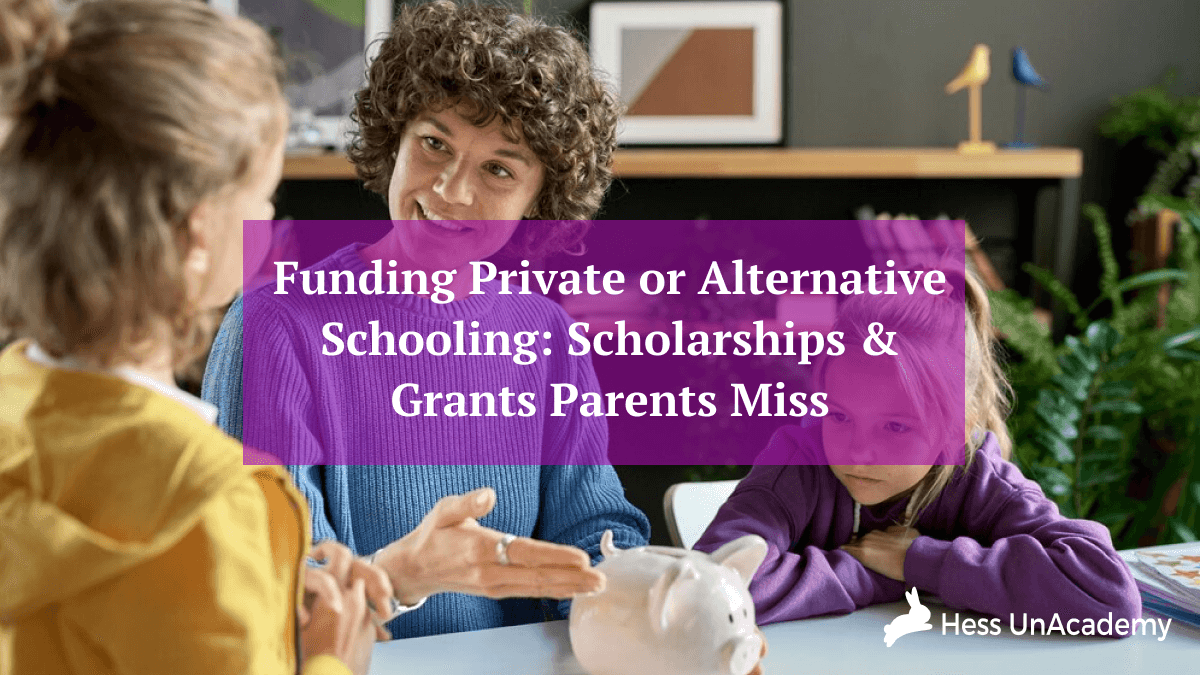
The Scholarships and grants for private schooling open doors in a world filled with both opportunities and challenges for parents seeking academic excellence and individualized learning paths for their children. As costs soar and options multiply, many families miss out on hidden scholarships, grants, and innovative funding solutions that can make all the difference. Whether you’re a dedicated parent, guardian, or educator exploring financial avenues, this guide is your roadmap to uncovering overlooked resources and making informed decisions on the path to affordable, quality education.
Easy Navigation
Understanding the Costs and Options for Private and Alternative Schooling
Why Schooling Costs are Increasing
In recent years, the cost of education has increased faster than many families’ incomes. Tuition rates, facility improvements, and extracurricular programs all add up, leaving no room for error in your budgeting strategy. Many parents feel overwhelmed by the financial commitment required by private and alternative schools. Yet, understanding the factors behind rising costs can empower families to seek innovative funding solutions. Consider how investments in state-of-the-art technology or specialized curricula contribute to these costs and how you might strategically plan to offset them.


Types of Private and Alternative Schooling Options
Private education comes in many forms: traditional independent schools, religious academies, and specialized institutions like Montessori or Steiner schools. Alternative schooling often covers homeschooling, online programs, and hybrid formats that blend traditional and nontraditional teaching methods. Each type offers a unique approach to learning, contributing to different cost structures and funding opportunities. When evaluating your choice, focus on your child’s learning style and the school’s mission. A clear understanding of these options is essential for tailoring your financial planning effectively.
The Funding Landscape: Beyond Tuition
The cost of schooling extends beyond tuition fees. Additional expenses such as uniforms, books, technology, transportation, and extracurricular activities can dramatically influence your budget. Many parents are unaware that not all these components are set in stone. Various funding tools, such as sliding scale tuition models, flexible payment plans, and community grants, can help bridge the gap. By addressing every aspect of the school experience, you can create a comprehensive financial roadmap that goes beyond the classroom door.
Scholarships: Overlooked Opportunities for Many Families
Hidden Scholarships You Might Not Know About
Scholarships are typically associated with college financial aid, but opportunities exist for K-12 and alternative schooling too. Many private schools offer merit-based or need-aware scholarships that are not widely advertised. These scholarships can cover a range of costs—from partial tuition to full funding. Numerous community organizations and private donors are eager to support innovative education approaches, even if you might not realize it at first glance. Research local civic groups, professional associations, or foundations tied to your community to find these hidden gems.
Eligibility and Application Tips for Scholarship Success
Each scholarship opportunity has its own set of eligibility criteria, ranging from academic performance to extracurricular involvement, community service, or even unique personal circumstances. Start by compiling all relevant documentation such as past report cards, letters of recommendation, and essays detailing your child’s achievements and future aspirations. Paying attention to deadlines and specific requirements is paramount. Tailor each application to reflect the scholarship’s goals by telling your family’s story with authenticity and clarity. Small details can create a big impression on selection committees.

Making Your Application Stand Out
A well-prepared application is your ticket to funding success. Begin by focusing on your child’s journey—highlight their unique strengths and passions. Use storytelling to connect with reviewers on a human level. Explain the challenges you’ve faced and the innovative ways you’ve overcome them. Schools and grant committees are often moved by genuine narratives of determination and resourcefulness. Keep your essays concise, sincere, and focused on tangible achievements. This personal touch is what transforms an ordinary application into an unforgettable one.
Grants and Financial Aid That Often Go Unclaimed
Exploring Grants Specifically for Private Education
Grants are a fantastic funding alternative that do not require repayment, and they’re available even for primary and secondary education. Local, state, and private nonprofits often offer grants aimed at making education accessible to all children, regardless of background. These grants might focus on specific areas such as arts, science, or technology, making them ideal if your child’s interests align with these fields. The grant application process can seem daunting at first, but it is often more straightforward than loan applications or other financial instruments once you understand the key requirements. Stay persistent, and you could uncover significant savings.
How to Find Alternative Financial Assistance
When standard scholarships and grants fall short, think outside the box. Many online platforms and local networks are dedicated to supporting families who choose nontraditional education paths. Investigate community foundations, civic organizations, or even local government initiatives. A great starting point is to look at school financial aid offices that collaborate with external funders. Sometimes, the funding is embedded within broader community programs not exclusively associated with education. Engaging with these resources can yield opportunities specific to your geographic area or educational model.
Real-World Examples of Families Who Benefited from Grants
Consider the story of the Martinez family, who discovered a local grant aimed at reducing educational disparities in their community. With careful research and timely application, they secured a grant that offset 40% of their child’s tuition. Similarly, the Robinsons found a nonprofit offering funds specifically for children pursuing arts-focused curriculums in alternative schools. These real-world examples demonstrate that persistence, research, and storytelling are key to tapping into the financial support you deserve. Their experiences serve as a beacon for other families seeking relief from the burden of high tuition.
Alternative Funding Routes: Community and Nonprofit Resources
Community-driven Initiatives & Sponsorships
Many communities rally together to support local education initiatives. Community-based funding often comes in the form of sponsorships from local businesses, parent-run fundraising events, or even local government endorsements. These initiatives are built on the principle that everyone benefits when children receive a quality education. Whether it’s a neighborhood scholarship fund or a local business willing to cover a portion of tuition costs in exchange for a long-term partnership, these initiatives are designed to empower families while building stronger community networks. The results are a win-win for educational institutions and families alike.


Partnerships with Local Businesses and Nonprofits
Forming partnerships with local businesses can open doors to understated funding channels. Many companies are eager to invest in future talent through sponsorships or grants as part of their corporate social responsibility programs. Nonprofits that focus on education also offer dedicated funding streams to support alternative education initiatives. These collaborations can lower costs and sometimes even improve the quality of education by integrating real-world experiences and mentorship programs into the curriculum. Reach out to local chambers of commerce or community boards to learn more about available opportunities.
Understanding Crowdfunding and its Potential
Crowdfunding has emerged as a flexible and powerful tool for raising funds. Platforms designed for educational purposes allow parents to share their story and garner support from a global community. When executed effectively, crowdfunding not only provides financial relief but also raises awareness about the benefits of alternative and private schooling. Unlike traditional funding sources, crowdfunding campaigns allow you to connect directly with supporters who share your vision for a better education system. A well-planned campaign with transparent goals and regular updates can inspire trust and drive contributions to bridge your funding gap.

Overcoming Financial Hurdles: Strategic Steps for Parents
Budgeting and Timely Financial Planning
Creating a detailed budget is the cornerstone of managing the costs involved in private or alternative schooling. Begin with a realistic assessment of your income and expenses, and then align these figures with your educational goals. Consider both fixed and variable costs, such as tuition fees, supplies, transportation, and extracurricular activities. Early planning can help you identify potential shortfalls and allow you to fill the gaps with available financial aid options. Balance immediate needs with long-term benefits, and always plan for unexpected expenses that might arise scattered throughout the academic year.
Leveraging Tax Benefits and Other Incentives
Many regions offer tax credits, deductions, or other financial incentives specifically targeted at education expenses. These benefits can substantially offset out-of-pocket costs. For instance, some states allow deductions for tuition costs, and certain nonprofit contributions might be tax-deductible as well. Consult a financial advisor or tax professional who understands the nuances of educational funding in your area. A thoughtful tax strategy, combined with the available grants and scholarships, can significantly ease the financial burden and increase your overall funding bracket.
Consultation with Education Funding Advisors
Expert advice can be an invaluable asset when navigating the diverse funding options available for alternative schooling. Education funding advisors specialize in connecting families with the right grants, scholarships, and financial aid programs. These professionals not only possess up-to-date knowledge of available resources but also offer tailored guidance based on your unique needs. They can help streamline the application processes for multiple funding sources, ensuring that no opportunity is inadvertently overlooked. In many cases, their insights can save time, reduce stress, and secure funding that might otherwise be missed by families attempting to navigate it alone.
The Future of Private and Alternative Schooling Funding
Emerging Trends and Innovations in Funding
As the education landscape evolves, so do the funding solutions meant to support it. Innovative programs such as income-share agreements, micro-scholarships, and performance-based funding are beginning to gain traction. These models rethink traditional payment structures by aligning financial responsibility with tangible educational outcomes. For example, income-share agreements allow families to pay a percentage of future earnings rather than an upfront, fixed tuition amount. Embracing new models can reduce immediate financial stress while promising long-term benefits as your child embarks on their career journey. Staying informed about these trends can make a significant difference in how you plan for the future.
Policy Changes on the Horizon
Legislative efforts at both state and national levels increasingly recognize the importance of supporting diverse educational pathways. Policy shifts could mean enhanced public backing for private and alternative schooling options, resulting in more accessible grants and scholarships. These changes are often driven by grassroots advocacy and shifts in political priorities toward educational equity. By participating in local education boards or community discussions, you can stay informed and even influence future funding policies. This proactive engagement not only benefits your family but also contributes to a broader movement for fair and sustainable education funding across the nation.


Preparing for Change: Steps for the Future
Preparation is key in an ever-changing financial environment. Stay abreast of policy developments and technological advancements that have the potential to reshape education funding. Sign up for newsletters from reputable educational funding organizations, and join local parent groups where experiences and tips are shared openly. Establish a support network with other families who face similar challenges. Together, you can strategize and share trusted resources, ensuring that every funding opportunity is explored. In this rapidly evolving landscape, informed and connected parents are best positioned to take advantage of emerging opportunities.
Practical Take‑aways and Actionable Tip
Funding private or alternative schooling does not have to be an insurmountable challenge. By understanding the comprehensive cost structure and actively searching for underutilized scholarships and grants, you can mitigate financial pressures while providing your child with a rich, customized educational experience. Remember, every dollar saved through hidden funding can be reinvested in your child’s future success. Explore community-driven initiatives, leverage local partnerships, and consider innovative funding practices as part of your broader strategy.
Action is key. Start by evaluating your current educational expenses and researching a minimum of three funding opportunities that match your child’s unique needs. The process might seem complex initially, but small, steady steps lead to significant progress over time. For additional guidance, consider consulting a trusted education funding advisor who can tailor solutions specifically for your family’s situation.
If you’re ready to take the next step, don’t let another opportunity pass you by. Click here to connect with our expert advisors and embark on a journey toward financial empowerment in education. With careful planning, resourceful research, and a proactive mindset, you can unlock funding avenues that turn educational dreams into reality.
- Love Languages in Learning: How Children Receive Encouragement Differently - February 2, 2026
- Valentine’s Day Ideas for Homeschoolers - January 25, 2026
- Parent Self-Care & Homeschooling: Why It Matters and 5 Simple Strategies - January 12, 2026