


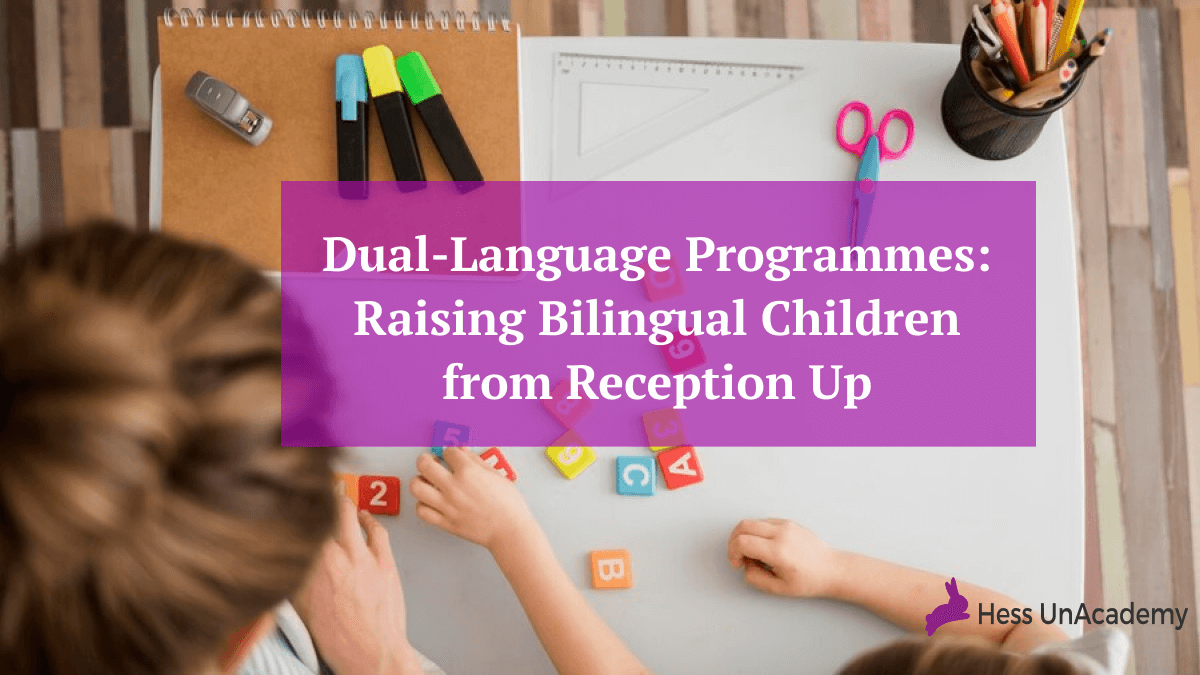
Dual-Language Programmes for Bilingual Children are a powerful way to empower young learners. Parents, guardians, and educators – if you’re seeking to empower your children with the gift of bilingualism, you’re not alone. In today’s multicultural and interconnected world, dual-language programmes are emerging as a cornerstone of early education. Whether you are just starting with your child in reception or planning longer-term strategies, dual-language learning can enrich your child’s cognitive development, cultural understanding, and future academic success
Easy Navigation
Understanding Dual‑Language Programmes
Definition and Overview
Dual‑language programmes refer to educational approaches where two languages are used for instruction and learning. In these settings, children are exposed to a second language parallel to their mother tongue from an early age. This immersive strategy ensures that language learning is not an add‑on, but a core part of daily interaction. Schools and centres implement these programmes so that children not only learn to speak a second language, but also gain access to a broader range of cultural experiences. For instance, a nursery class might read stories both in English and Spanish, seamlessly integrating vocabulary, grammar, and cultural narratives to spark curiosity and learning.


Benefits of Bilingual Education
There is a growing body of research highlighting the cognitive, social, and academic benefits of bilingual education. Children who learn in dual‑language environments tend to exhibit enhanced problem‑solving skills, better multitasking abilities, and heightened creativity. Beyond cognitive advantages, bilingual children develop stronger empathy and cultural sensitivity as they learn to navigate and appreciate diverse linguistic and cultural contexts. These attributes foster resiliency and adaptability, preparing them for a dynamic global society. As an example, many families report that their bilingual kids easily switch between languages while conversing with friends from different backgrounds, thereby embracing diversity at every level.
Real‑World Examples: Success Stories
A number of schools have successfully implemented dual‑language programmes, demonstrating meaningful improvements in academic performance and social integration. For example, a community school in California combined English and Mandarin in its early education curriculum. The result was a noticeable improvement in language fluency and greater interpersonal confidence among students. Other programmes, in cities across the United States, have seen similar successes when teachers integrated hands‑on activities that spoke to both languages, encouraging students to participate actively and learn naturally through conversation. These examples underscore how dual‑language education can be a transformative experience when executed with care and commitment.
Key Components of Dual‑Language Programmes
Curriculum Integration
The curriculum in dual‑language education must be carefully designed to support simultaneous language acquisition. Unlike traditional programmes, where additional language sessions or modules are slotted as extras, dual‑language curriculums weave both languages throughout all subjects. This holistic integration benefits children by delivering consistent exposure. For instance, while learning math or science, the teacher might present vocabulary and concepts in both languages. This strategy not only reinforces the subject matter but also builds a robust linguistic framework that can have lifelong benefits.
Teacher Expertise and Training
High‑quality dual‑language programmes thrive on the expertise of educators who are fluent in both languages. Investing in teacher training—particularly in bilingual pedagogy—is essential. Educators learn specialised techniques that combine standard teaching practices with language immersion methods. Training often includes strategies for encouraging language participation, scaffolding new vocabulary, and fostering an environment where mistakes are embraced as learning opportunities. Many successful dual‑language programmes report that with ongoing professional development, teachers are better equipped to handle diverse learning needs and balance instruction fluidly between both languages.
Support at Home and in School
The success of any dual‑language programme heavily depends on consistent support both at school and at home. Educators and parents can collaborate to create environments rich in linguistic diversity. For example, schools may provide take‑home bilingual resources, such as storybooks, audio materials, and interactive exercises, while parents reinforce these lessons through daily conversations in both languages. Establishing a partnership between educators and families creates a seamless transition from the classroom to everyday life, ensuring that language learning continues organically beyond the school day.
Age‑Appropriate Learning from Reception Up
Early childhood is a critical phase for language development. Dual‑language programmes that begin in reception—when children are around four to five years old—take advantage of this natural propensity for learning languages. Activities are crafted to be engaging and age‑appropriate, from playful song sessions to interactive storytelling. When children learn languages through play, they absorb nuances without the pressure of formal rote learning. This foundation guarantees that as they advance through the educational system, their bilingual skills remain strong, providing them with a significant cognitive edge.
Strategies for Raising Bilingual Children
Immersion Experiences in Day‑to‑Day Life
The most effective way to foster bilingualism is by creating immersive environments that excite exploration and conversation. Immersive strategies can be applied in both educational settings and home life. Families can practice by designating specific times or activities where only one language is spoken. For example, during dinner time, a family might choose to converse solely in the second language. In parallel, schools can organize thematic weeks where all classroom instructions and activities are delivered in the target language, thereby reinforcing language retention and comfort.
Resource Allocation and Accessible Materials
Providing the right resources can dramatically improve the outcomes of bilingual education. The success of dual‑language programmes is often linked to the availability of high‑quality books, multimedia content, and interactive tools that engage children in both languages. Libraries, online platforms, and community centres offer a variety of resources that can complement classroom learning. Investing time in selecting the right materials—such as bilingual storybooks, educational apps, and culturally rich media—ensures that children remain motivated and supported during their language learning journey.
Developing a Supportive Bilingual Environment
A supportive bilingual environment extends beyond the walls of a classroom and becomes a lifestyle choice. This involves curating social circles that encourage language practice, whether through playdates with bilingual peers, community events, or cultural festivals. Many parents have found that joining bilingual groups or co‑operatives not only supports their child’s learning but also helps them connect with other families who share similar goals. Such environments naturally lead to spontaneous language practice, where children can see the real‑world benefits of their developing skills.


Overcoming Challenges in Dual‑Language Education
Addressing Language Dominance
One common challenge in raising bilingual children is the risk of one language dominating the learning process at the expense of the other. Often, children may prefer the language spoken at home, or conversely, the school’s primary language may overshadow the second language. Educators and parents must work together to ensure balanced exposure. This can involve deliberate planning, such as equal time allocation for lessons in both languages, using designated “language zones” at home, or organizing group activities that promote deliberate use of the less dominant language.
Dealing with Varied Pace of Learning
Not every child learns at the same pace, and this variability becomes even more noticeable in dual‑language settings. Some children may pick up one language rapidly, while the other requires more time and practice. Tailoring teaching methods to accommodate individual needs is essential. For instance, a child who shows early fluency in one language might benefit from advanced reading materials in that language, while a child struggling with the second language could receive additional tailored support. Customized learning plans, frequent assessments, and peer mentoring can all contribute to a balanced and effective learning experience.

Strategies for Consistent Progress
Maintaining momentum in bilingual education demands consistency and ongoing evaluation. Educators should design regular review sessions and interactive assessments that assess proficiency in both languages. A mix of formal and informal evaluations—ranging from quizzes to conversational role‑plays—can help determine each child’s progress and identify areas that need reinforcement. Moreover, fostering an attitude that views mistakes as an essential part of learning can help children become more confident speakers of both languages.
The Future of Dual‑Language Programmes in Education
Embracing Technological Advancements in Learning
Technology presents unique opportunities to enhance dual‑language education. Interactive learning platforms, digital storybooks, immersive language apps, and online tutoring sessions are all modern tools that can reinforce bilingual learning in fresh and engaging ways. Many schools now integrate technology to complement their curriculum, offering children a blend of traditional and digital learning experiences that make dual‑language acquisition both fun and effective. As virtual classrooms become more commonplace, the future is bright for dual‑language learners who have access to state‑of‑the‑art digital tools.
Community and Cultural Enrichment
The evolution of dual‑language programmes is not confined to the classroom alone; community involvement plays a pivotal role. Many cities now host cultural festivals, bilingual theatre productions, and community language workshops to complement academic learning. When children see language in the context of arts, music, and everyday community interactions, learning becomes an integrated lifestyle experience. These enrichment programmes highlight the real‑world value of bilingualism, strengthening the connection between language skills and cultural identity. Such environments help children see themselves as global citizens, ready to interact with a diverse, multifaceted world.
Policy, Research and Investment for Bilingual Futures
The success and expansion of dual‑language programmes increasingly depend on supportive policies and continued research. Government and educational authorities across the United States are recognising the long‑term benefits of bilingual education and are consequently investing more in such programmes. Educational policy reforms, backed by rigorous research, are now prioritising early bilingual education as a strategic initiative. These reforms encourage the adoption of innovative teaching methods, provide necessary funding, and create avenues for constant research into best practices. With such support, dual‑language education stands to become a norm rather than an exception, making bilingualism accessible to more children across different backgrounds.
Conclusion: Practical Take‑aways and Actionable Tips
Dual‑language programmes offer a transformative path for raising bilingual children from reception up, nurturing not just language skills, but also cultural awareness, cognitive flexibility, and social empathy. By understanding the fundamentals of dual language education and ensuring that both educators and parents provide consistent, immersive learning experiences, you are laying the groundwork for a successful bilingual journey. The key components—integrated curriculums, well‑trained educators, robust home support, and age‑appropriate strategies—collectively contribute to a balanced and effective learning environment.


When implementing your dual‑language strategy, remember to:
Invest in a tailored curriculum: Ensure that both languages are given equal weight in learning activities.
Embrace teacher expertise: Seek out educators with bilingual training and experience who can nurture your child’s language development.
Create an immersive environment: Incorporate everyday activities, such as meals or playtimes, in the second language to reinforce learning naturally.
Leverage technology: Use digital resources and educational apps to make language learning engaging and interactive.
Partner with your community: Engage in local cultural events and bilingual clubs to give your child practical exposure to both languages.
Each of these strategies is backed by research and real-world success stories that underscore the value of a well‑implemented dual‑language programme. For example, consider the successful implementations in communities that have seen improvements not only in academic achievements but also in the overall social and cognitive development of their children. By taking these practical steps, you are not merely teaching your child a language—you are opening doors to new cultures, expanding cognitive horizons, and preparing them for a future in which linguistic fluency is a prized asset.
It’s important to remember that while the journey of raising a bilingual child might come with challenges, the benefits far outweigh the hurdles. Celebrate small victories, seek support when needed, and always keep the learning atmosphere light and engaging. Every interaction in the second language is a step towards building a robust bilingual identity that will serve your child throughout their academic and professional lives.
Ready to dive deeper into the realm of dual‑language education? Discover more resources at Hess UnAcademy to empower your child’s bilingual journey with proven strategies and expert guidance. Embrace the practical take‑aways above, and start your child’s journey toward bilingual success today!
- Love Languages in Learning: How Children Receive Encouragement Differently - February 2, 2026
- Valentine’s Day Ideas for Homeschoolers - January 25, 2026
- Parent Self-Care & Homeschooling: Why It Matters and 5 Simple Strategies - January 12, 2026