


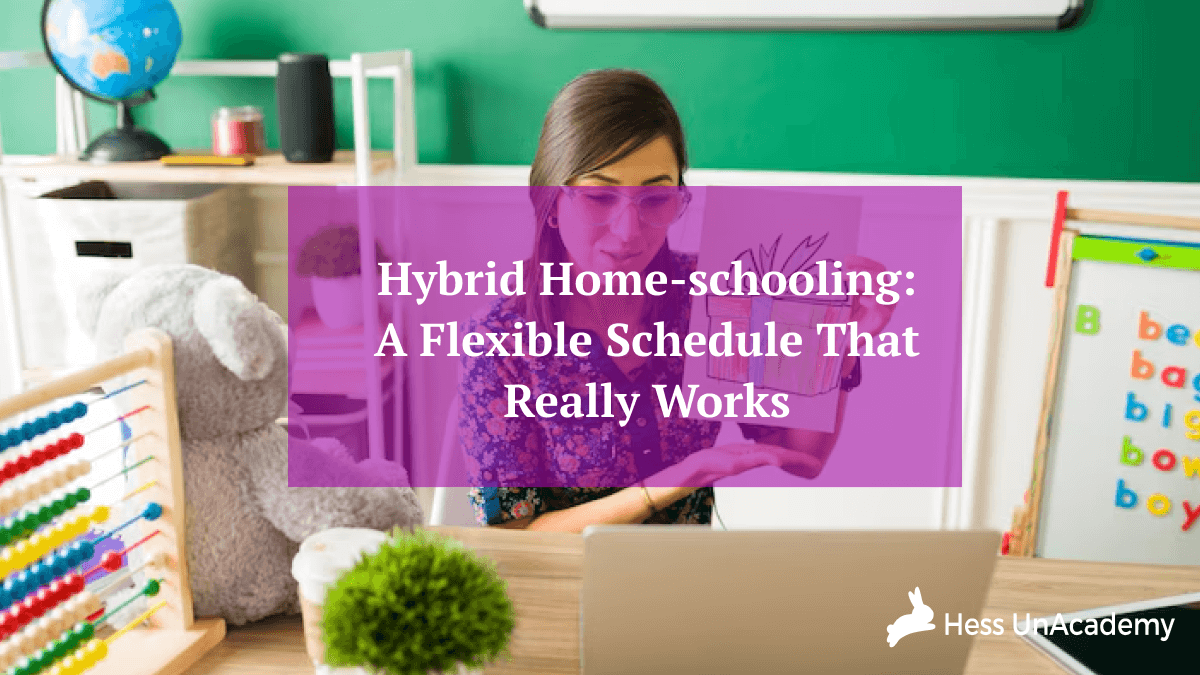
Hybrid Home-schooling is becoming a popular and effective educational model for parents, guardians, and educators seeking a modern approach to learning. This method blends the personalized environment of home with the structured benefits of traditional schooling, ensuring that every child receives the attention they need while remaining aligned with broader academic standards.
Easy Navigation
Introduction to Hybrid Home‑schooling
Understanding the Concept
Hybrid home‑schooling is more than just an alternative to full‑time traditional schooling—it integrates the best of both worlds into one enriched experience. The model allows parents to customize their children’s learning routines while also incorporating collaborative experiences and structured lessons outside the home. Many families find that this system offers the ideal balance between flexibility and accountability, leading to improved engagement and academic performance.


The Evolution of Home‑education Models
Historically, home‑schooling was often viewed as a choice driven by necessity or a desire for religious or philosophical education. In today’s diverse educational landscape, however, hybrid models are gaining popularity because they adapt to the demands of modern life. With digital resources, community learning hubs, and advanced planning techniques, contemporary hybrid home‑schooling is reshaping the educational experience by meeting children where they are—both academically and emotionally.
The Benefits of a Flexible Schedule
Customized Learning Journeys
One of the most appealing aspects of hybrid home‑schooling is the ability to tailor schedules according to each child’s learning pace and interests. By allowing for a mix of structured lessons and self‑directed exploration, families can create a learning environment that celebrates individual strengths and fosters areas of interest. This approach not only nurtures a love for learning but also helps overcome common challenges related to one‑size‑fits‑all education models.
Reduced Stress for Students and Parents
When children are given a flexible schedule, stress levels decrease. The familiar home environment coupled with thoughtfully planned external interactions offers stability and reduces anxiety. Parents, too, benefit from the flexibility to balance their roles as educators, professionals, and caregivers. Incorporating breaks, diverse activities, and adaptable routines ensures that everyone involved can enjoy a balanced, less stressful day.
Enhanced Family Engagement
Hybrid home‑schooling fosters an environment where learning becomes a shared family endeavor. When education is interwoven with daily family life—be it through kitchen science experiments, neighborhood explorations, or collaborative reading sessions—the bonds within the family are strengthened. This approach encourages children and parents alike to view learning as a lifelong, enjoyable process that evolves with experiences and curiosity.
Building a Balanced Curriculum
Integrating Core Subjects and Life Skills
A successful hybrid model relies on a curriculum that seamlessly balances core academic subjects with essential life skills. Mathematics, language arts, science, and social studies still serve as the foundation, but there is room to integrate practical life skills such as financial literacy, time management, and conflict resolution. By designing a curriculum that includes a blend of traditional subjects and experiential learning opportunities, hybrid home‑schooling fosters intent-driven education that empowers children for the future.
Real‑World Application Through Project‑Based Learning
Project‑based learning fits naturally into the hybrid model. When students work on engaging projects, they connect theory with practice through real‑world applications. Whether it’s building a small garden, developing a community service project, or designing a simple app, these projects promote critical thinking and creativity. This not only caters to various learning styles but also allows families to see academic concepts come alive, reinforcing lessons beyond textbook theory.
Using Thematic Units to Connect Concepts
Thematic units provide a way to create coherence and continuity in learning. When a theme ties together various disciplines, children are better able to see the big picture. For example, a unit on “Sustainability and the Environment” might involve studying ecosystems in science, reading literature about nature, and exploring the economic aspects of conservation. This integration leads to deeper understanding and retention, making learning feel both comprehensive and engaging.
Time Management Techniques for Parents and Students
Structuring Your Day Effectively
One of the primary challenges in hybrid home‑schooling is ensuring that each day is both productive and flexible. The key is to design a schedule that accounts for academic tasks, extracurricular activities, and downtime. Start by assigning specific time blocks for key subjects; use a planner or digital calendar to keep track. Remember to remain adaptable—if a student is particularly engaged with a topic, allow for longer sessions and incorporate mini‑breaks to refresh the mind.
Prioritizing Tasks and Setting Realistic Goals
Using tools like daily checklists or weekly reviews can help manage the many tasks on your hybrid schedule. Prioritization is essential: identify the critical tasks for the day and allocate sufficient time for them, leaving room for impromptu learning or rest. When goals are clearly defined but remain realistic, children and parents alike can avoid the anxiety associated with over‑scheduling. This balance is critical, as it empowers everyone to achieve success without feeling overwhelmed.


Incorporating Regular Breaks and Flex Time
Breaks are not a luxury—they are a necessity. In a hybrid system, timely breaks between learning sessions boost concentration and prevent burnout. These intervals can be used for physical activities, creative pursuits, or simply a moment to breathe and refocus. A flexible approach to scheduling means recognizing that some days may veer off the planned course, and that is perfectly acceptable. Embrace flexibility as a strength of hybrid home‑schooling, ensuring that every day has room for spontaneous discovery.
Ensuring Social Interaction and Community Engagement
Building a Local Network
Despite the personalized focus of home‑schooling, social interaction remains an essential component of education. Engaging with local groups, community centers, or co‑op classes can provide valuable face‑to‑face learning experiences. Such interactions help children develop social skills and understand the nuances of teamwork, problem‑solving, and cultural diversity. Parents can often find community events—whether it’s a local museum tour or a group science experiment—that complement academic learning with real‑world exposure.

Cooperative Learning and Peer Group Activities
Hybrid home‑schooling naturally lends itself to cooperative learning. Organizing regular meetings with other home‑schooling families can establish a support network and create a peer learning environment. Activities like study groups, sports teams, or arts and crafts sessions encourage students to interact, share ideas, and learn collaboratively. This mix of independent work and group engagement builds confidence and adaptability in diverse social settings.
Leveraging Online Communities and Virtual Learning
In our digital world, online communities offer additional opportunities for learning and socialization. Virtual classes, discussion forums, and interactive webinars can connect students with experts and peers from different geographical locations. This exposure not only broadens their academic horizons but also builds essential skills in digital literacy and global collaboration. It’s a win‑win: students stay in touch with current trends while enjoying the benefits of a flexible, hybrid education model.
Real‑World Examples of Successful Hybrid Home‑schooling
Case Study: The Martins’ Journey to Balance
The Martins, a busy family with two school‑aged children, represent a prime example of how hybrid home‑schooling can transform lives. Initially facing scheduling conflicts and a struggle to balance work and education, the Martins adopted a flexible approach that allowed each child to engage in a mix of independent study and local group activities. Over time, they noticed improved academic performance, increased creativity, and a stronger family bond. Their story illustrates how a dynamic, flexible schedule can help families overcome obstacles while nurturing each child’s unique talents.
Story: Embracing Individual Learning Paths
Jessica, a bright middle‑schooler, found the traditional classroom environment stifling due to its rigid structure. With hybrid home‑schooling, her parents crafted a schedule that accommodated her creative projects alongside mandatory core subjects. Jessica’s day often began with a morning session of math and science before transitioning into art and creative writing sessions in the afternoon. This flexibility not only sparked her enthusiasm for learning but also instilled a disciplined approach to studies. Her success underscores the value of a tailored education plan that adapts to the student’s interests.
Example in Practice: Community‑Based Learning Initiatives
A growing number of families have turned to community‑based projects as part of their hybrid home‑schooling plan. For example, local environmental initiatives, historical reenactments, or art exhibitions offer a diverse range of hands‑on learning opportunities. These projects help students understand the interconnectedness of academic subjects and real‑world problems, all while building a sense of community. The collaborative nature of these initiatives reinforces the hybrid model’s key advantage: learning that is both flexible and grounded in practical experience.


Overcoming Common Obstacles in Hybrid Home‑schooling
Navigating Scheduling Conflicts
Scheduling conflicts are a frequent challenge in any hybrid model. Whether it’s balancing multiple subjects, extracurricular activities, or coordinating with other families for group learning, effective time management is crucial. The approach is to plan ahead—use a digital calendar or a physical planner and block out time for each intended activity. If conflicts arise, reassess priorities and shift non‑essential activities. Over time, developing and adhering to a consistent structure will minimize these conflicts, creating a smooth, stress‑free routine.
Managing Distractions and Maintaining Focus
Distractions at home, from electronic devices to family chatter, are realities every hybrid home‑schooling family must face. Creating designated learning spaces and clear “do not disturb” guidelines can help manage these distractions. Emphasize the importance of a quiet, comfortable area for study and use noise‑reducing strategies when necessary. Encouraging intermittent, structured breaks also aids focus, ensuring that tasks are completed without prolonged overwhelm. This blend of discipline and flexibility is at the heart of the hybrid system.
Troubleshooting Learning Roadblocks
Every child experiences moments of frustration or stagnation in their learning journey. The solution lies in proactive, open communication between parents and children. Maintaining a feedback loop about what’s working and what isn’t will enable timely adjustments to the schedule. Additionally, leveraging external resources—whether through online tutoring services or consultation with educational experts—can offer fresh insights and solutions. The key is to view these challenges as opportunities for growth rather than insurmountable barriers.
The Role of Technology in Hybrid Home‑schooling
Digital Learning Platforms
Technology plays a pivotal role in making hybrid home‑schooling both efficient and engaging. Digital learning platforms offer a vast selection of courses, interactive tutorials, and practice exercises that can be seamlessly integrated into a daily schedule. These tools empower parents to tailor lessons to their child’s specific needs, bridging gaps in understanding and fostering independent learning. With a range of resources available—from language learning apps to online coding bootcamps—the digital revolution has made high‑quality education accessible right at home.
Interactive Tools and Virtual Classrooms
The advent of virtual classrooms has further enhanced the hybrid home‑schooling experience. Video conferencing tools and collaborative software have enabled real‑time instruction and discussion, replicating elements of traditional classroom interaction. Whether it’s joining a live lesson or participating in a virtual study group, these technologies encourage engagement and foster community. They also prepare students for an ever‑evolving digital future, where online collaboration is becoming the norm.
Utilizing Educational Apps and Resources
From interactive quizzes to immersive simulations, educational apps add an extra layer of engagement to hybrid home‑schooling. These applications offer dynamic content that can be customized to complement the existing curriculum, making learning both fun and effective. Moreover, many apps come with built‑in progress tracking, enabling parents and students to monitor growth and celebrate achievements along the way. This technological infusion ensures that education is consistently relevant and aligned with current trends.
Practical Take‑aways and Actionable tip
Summary of Key Strategies
Hybrid home‑schooling presents a compelling blend of traditional and modern educational techniques. From customized learning journeys and flexible scheduling to the smart integration of digital tools, the hybrid model offers an adaptable, engaging, and supportive environment for students of all ages. The core strategies—balancing core academics with life skills, managing time effectively, encouraging social interactions, and leveraging technology—form a robust foundation that makes hybrid home‑schooling a viable, progressive alternative to conventional schooling.
Develop a Personalized Schedule
Begin by mapping out your child’s daily routine. Identify peak engagement hours for core subjects, and schedule flexible periods for creative exploration and skill development. Consider implementing themed units that integrate multiple disciplines, and always incorporate regular breaks for rest and reflection. Consistency will be key—but so will the willingness to adapt as your child’s needs evolve over time.
Set Realistic Objectives and Monitor Progress
Establish achievable goals and track progress through regular reviews. Utilize planners or digital calendars to mark significant milestones and adjust strategies as needed. Remember that hybrid home‑schooling is not a one‑size‑fits‑all approach. It demands periodic adjustments based on what’s working and what might need tweaking. Celebrate small victories along the way—a positive reinforcement model will bolster your child’s motivation and ensure continuous growth.
Leverage Community and Expert Support
Connect with other families, educators, and online forums to share insights, challenges, and success stories. This network can provide invaluable support, practical advice, and even collaborative learning opportunities. Whether it’s forming a local study group or participating in webinars hosted by educational experts, community engagement enriches the learning experience and broadens academic horizons. This collaborative spirit is at the heart of effective hybrid models.
Embrace Technology Wisely
Select digital tools that enhance the learning process without overwhelming your child. Focus on platforms that offer interactive content, personalized learning paths, and the opportunity to learn both independently and collaboratively. Balance screen time with hands‑on activities to cultivate a well-rounded learning experience. Through thoughtful technology integration, you can amplify the benefits of hybrid home‑schooling and prepare your child for the demands of a digital future.
In conclusion, hybrid home‑schooling is revolutionizing the education landscape by offering a flexible, adaptive, and engaging learning model. With the right blend of customized scheduling, community involvement, and supportive technology, families can overcome traditional barriers and create an environment where learning is both effective and enjoyable. Whether you’re just beginning this journey or looking to refine your existing approach, keep these insights in mind as you navigate the challenges and reap the rewards of a hybrid system. For a deeper dive into practical strategies and pioneering educational insights, click here to discover more at Hess UnAcademy.
- Love Languages in Learning: How Children Receive Encouragement Differently - February 2, 2026
- Valentine’s Day Ideas for Homeschoolers - January 25, 2026
- Parent Self-Care & Homeschooling: Why It Matters and 5 Simple Strategies - January 12, 2026