


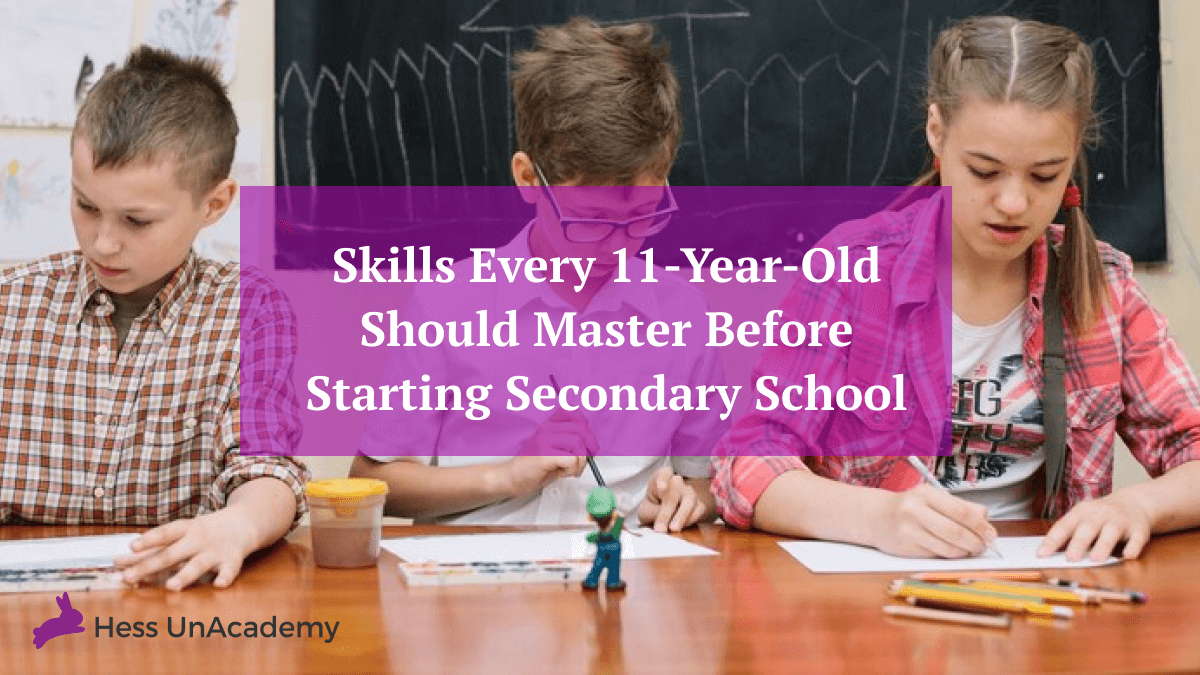
Parents, guardians, and educators, helping your child develop the skills every 11-year-old should master before secondary school is essential to setting them up for long-term success. Preparing an 11‑year‑old for secondary education is a pivotal time full of excitement and challenges. As your child navigates this transition, ensuring they master key skills can reduce anxiety, boost academic performance, and build the confidence necessary for success in the next stage of their educational journey. Skill-building now fosters independence and a love for learning that will echo throughout their school years and beyond.
Easy Navigation
Understanding the Transition to Secondary School
The Importance of a Smooth Transition
Entering secondary school is a big step that marks both academic and personal growth. At this time, children leave behind a structure that is often highly supported to embrace a setting that requires more self-direction and critical thinking. For 11‑year‑olds, this means not only grappling with tougher subjects but also managing new social dynamics and responsibilities. A smooth transition is made possible by early preparation, where students learn to balance academic rigour with social and emotional challenges. For many families, this is the start of an exciting journey toward lifelong learning.


Recognizing Individual Readiness
Every 11‑year‑old is unique, with their own strengths and challenges. Educators and parents should assess the readiness of their children by considering factors like academic proficiency, problem-solving abilities, and social skills. It is crucial to have open conversations about feelings regarding the change. Real-world examples reveal that when children are involved in planning and decision-making, they are more willing to adapt to new challenges. This thoughtful approach, combined with clear expectations, ensures that young learners feel encouraged as they prepare for secondary education.
Academic Readiness: Core Subject Skills
Mathematics and Logical Reasoning
Mathematics often becomes more challenging as children move to secondary education. At this stage, an 11‑year‑old should have a sound understanding of basic arithmetic, fractions, decimals, and introductory geometry. Regular practice, engaging mathematical puzzles, and real-life scenarios such as budgeting or cooking can enhance logical reasoning and problem-solving skills. An encouraging classroom atmosphere—paired with fun, interactive learning tools—makes math relatable and builds a strong foundation for advanced concepts in secondary school.
Reading Comprehension and Critical Analysis
A robust vocabulary and the ability to comprehend various texts are essential skills for secondary school. Encourage daily reading habits with a mix of fiction and non-fiction materials to help your child understand different writing styles and ideas. Discuss story themes, character motives, and conflict resolutions together. This practice not only sharpens critical analysis skills but also builds empathy and interpretative skills, ensuring that your child is well-prepared for subjects that demand critical thought and analysis in secondary education.
Writing Skills and Communication
Clear and articulate writing is integral to academic success. By the time children reach secondary school, they should be proficient in constructing well-organized essays, persuasive arguments, and analytical reports. Encourage creative writing and journaling to nurture both imagination and discipline. Providing constructive feedback—as well as showcasing examples from respected authors—can motivate learners to refine their writing techniques and develop a style that prepares them for more demanding assignments ahead.
Social and Emotional Skills for a New Environment
Building Resilience and Confidence
Secondary school brings new academic pressures and social challenges that can be stressful. Helping your 11‑year‑old build resilience is one of the most important aspects of preparation. Encourage them to embrace challenges as opportunities for growth. Storytelling, where you share your own experiences of overcoming setbacks, can be very effective. In practice, understanding that setbacks are not failures but steps toward improvement strengthens their ability to rebound after facing difficulties.
Effective Communication and Collaboration
As classrooms in secondary schools emphasize group work and interactive learning, teaching your child effective communication is key. Encourage them to express their thoughts clearly and respectfully. Participating in team sports, clubs, or community projects can provide valuable opportunities for interaction and collaboration. Role-playing everyday conversations and conflict resolution scenarios can further equip your child with the necessary tools to thrive in more socially diverse settings.
Emotional Regulation and Stress Management
Moving into secondary school can heighten emotions, and teaching stress management helps maintain a healthy mindset. Simple strategies like deep breathing exercises, mindfulness practices, or even a hobby such as drawing or playing a musical instrument can alleviate stress. When children understand their emotions and learn to manage them effectively, they face academic and social environments with increased calm and readiness for learning.
Developing Organizational and Time Management Skills
Establishing Structured Routines
A strong daily routine is the backbone of organizational success. Help your 11‑year‑old create a structured schedule that balances schoolwork, recreational activities, and downtime. Checklists, planners, or digital calendars can be excellent tools to visually outline daily tasks. Over time, this habit not only helps them stay focused and organized but also builds the time management skills that are essential in secondary education and beyond.
Goal-Setting and Self-Monitoring
Encouraging your child to set realistic goals can empower them as they transition to secondary school. Help them break down larger objectives into smaller, manageable tasks. This process nurtures a sense of achievement as they conquer each milestone. Self-monitoring tools, such as journals or apps, can facilitate reflection on daily achievements and areas for improvement. In real-world situations, this habit has been shown to increase academic success and boost overall self-esteem.


Prioritizing Responsibilities
Learning to prioritize is an invaluable skill as students encounter multiple subjects and extracurricular activities. Discuss with your child which tasks or projects require immediate attention and which can be scheduled for later. This practice helps them understand the concept of deadlines and the importance of strategic planning. By gradually taking on more responsibility, your child learns to balance both academic and personal commitments effectively, paving the way for a successful secondary school experience.
Technology and Digital Literacy: Navigating the Digital World
Understanding Digital Tools and Resources
The modern secondary classroom often employs digital platforms for learning, so developing digital literacy is non‑negotiable. At 11, learners should be comfortable using search engines, basic educational software, and productivity tools. Encourage them to explore online educational resources that complement school subjects. Digital literacy goes beyond simply operating devices—it includes evaluating the credibility of online information and applying digital skills in a safe, responsible manner.

Staying Safe in a Digital Environment
With increasing screen time comes the need for awareness about digital safety. Educate your child about protecting personal information, recognizing trustworthy sites, and maintaining a balanced online-offline routine. Practical real‑world examples, such as identifying phishing attempts or understanding social media privacy settings, can be very effective. Teaching them to be cautious yet confident in exploring digital spaces will allow them to leverage technology as an asset instead of a distraction in their secondary school years.
Embracing Online Collaboration and Research
Online collaboration forms an integral part of modern learning. Familiarize your child with digital collaboration tools and online research databases that can aid in homework and projects. Practice sessions in which they summarize what they learn from reputable sources can help cultivate critical thinking. As they engage in digital research and collaboration, they learn to navigate the intricate world of information with discernment—a skill that will continue to be indispensable throughout their academic career.
Extracurricular Balance: Wellness Beyond the Classroom
Encouraging Physical Activity and Sports
Physical activity is essential not only for physical health but also for mental clarity and focus. Secondary school students benefit from regular exercise, which can help alleviate academic stress and promote an overall sense of well‑being. Whether it’s joining a sports team, taking up a dance class, or simply engaging in neighborhood play, integrating physical activity into the daily routine is a practice that reinforces self‐discipline and social interaction.
Fostering Personal Interests and Creativity
Secondary education is not solely about the academic; it is also a time to cultivate passions and hobbies. Encourage your child to explore creative outlets such as arts and crafts, music, or drama. These extracurricular activities can foster a well‑rounded personality and stimulate creative thinking. Real‑world examples from successful individuals often highlight that a balance between academic pursuits and personal interests can spur innovation and resilience in later stages of education.
Maintaining a Healthy Work-Life Balance
A balanced life is vital for long‑term academic success. Teach your child to allocate specific times for study, leisure, and sleep. A well‑structured schedule that includes time for relaxation ensures that they do not become overwhelmed by school demands. This balance between work and life is a crucial skill that not only aids in academic performance but also supports overall mental and physical health as they transition into the more demanding environment of secondary schooling.


Real‑Life Examples and Pedagogical Insights
Success Stories from Transitional Programs
Across the country, many educational programmes have been developed to support students transitioning to secondary school. For instance, local tutoring centres and school‑based transition programmes often share success stories where students were matched with mentors and engaged in interactive learning modules. One story involves an 11‑year‑old who initially struggled with math until a mentor introduced practical exercises that tied math to everyday scenarios, like measuring ingredients for a recipe. This real‑life example showcases how tailored support can help bridge academic gaps and foster enthusiasm for learning.
Integrating Pedagogical Research into Home Learning
Pedagogical research emphasizes the significance of active learning, problem‑based learning, and self‑directed study habits. When parents and educators align these research‑backed techniques in home learning environments, children benefit from a seamless transition into more independent learning. Using tools such as interactive games, story‑telling sessions, and peer collaboration, families can reinforce the skills necessary for secondary education. The consensus among education experts is that when learning is engaging and contextual, it resonates more deeply with students.
Bridging the Gap Between Home and School
Creating a partnership between home and school creates a robust support system for 11‑year‑olds. Regular communication with teachers, attendance at school events, and active involvement in homework can help parents reinforce the skills learned at school. Moreover, sharing success stories, challenges, and the daily progress of the child creates a unified front in navigating the transition. This collaborative approach ensures that education is viewed as a shared journey that evolves with time and experience.
Preparing Mentally: Building a Growth Mindset
Cultivating Curiosity and Lifelong Learning
At the heart of academic success lies the mindset of a lifelong learner. Encouraging an 11‑year‑old to ask questions, explore ideas, and seek out new challenges lays the groundwork for continuous growth. This mindset nurtures curiosity and emphasizes that setbacks are natural parts of learning. When children adopt a growth mindset, they become more resilient, motivated, and ready to tackle complex secondary subjects with enthusiasm and determination.
Embracing Change with Optimism
A positive outlook towards change is crucial during the school transition. Celebrate small successes and encourage your child to view challenges as building blocks. Sharing anecdotes where change led to opportunity and growth can help reinforce this positive perspective. The practical benefits of a growth mindset are evident in improved academic performance and stronger social relationships, both of which are pivotal in secondary school success.
Setting the Stage for Independence
As children progress toward secondary education, it becomes increasingly important to foster independence. Encourage them to take charge of their homework, manage deadlines, and even help in setting weekly goals. This gradual shift empowers them, making the transition smoother and creating a sense of ownership over their learning and personal growth. A supportive environment that promotes independence nurtures confidence and readies students for the increased responsibilities of secondary schooling.
Practical Take‑Aways and Actionable Tips
Top Strategies for Parents and Educators
To wrap up, here are some clear, practical take‑aways for preparing your 11‑year‑old for secondary education:
Establish a Daily Routine: Create a balanced schedule that includes study time, physical activity, and creative pursuits.
Encourage Literacy: Integrate reading and writing exercises in everyday activities to build confidence and comprehension skills.
Focus on Digital Literacy: Teach your child to responsibly navigate online resources and evaluate information critically.
Promote Self‑Reflection: Help your child set realistic, measurable goals and celebrate small victories.
Bolster Communication: Engage in role‑playing and real discussions to build clear and respectful communication habits.
Actionable Advice to Empower Your Child
Remember, transition is a process, not a single event. Celebrate efforts, no matter how small, and build on each success. Create weekly reflection sessions where you review what worked and what might be improved. This feedback loop encourages your child to grow and understand their learning journey dynamically. You can click here to explore more resources and expert advice to further empower your child as they prepare for the exciting challenges of secondary education.
In conclusion, preparing for secondary school is not solely about academic skills; it’s about nurturing a well-rounded, confident individual capable of handling both challenges and opportunities with resilience. By focusing on academic readiness, social and emotional development, effective organization, digital literacy, and a growth mindset, you lay the groundwork for a successful transition. Embrace each step of this journey, celebrate progress, and remain steadfast in your belief in your child’s potential. With these strategies in place, the transition to secondary education becomes an exciting launchpad for lifelong learning and success.
- Love Languages in Learning: How Children Receive Encouragement Differently - February 2, 2026
- Valentine’s Day Ideas for Homeschoolers - January 25, 2026
- Parent Self-Care & Homeschooling: Why It Matters and 5 Simple Strategies - January 12, 2026