


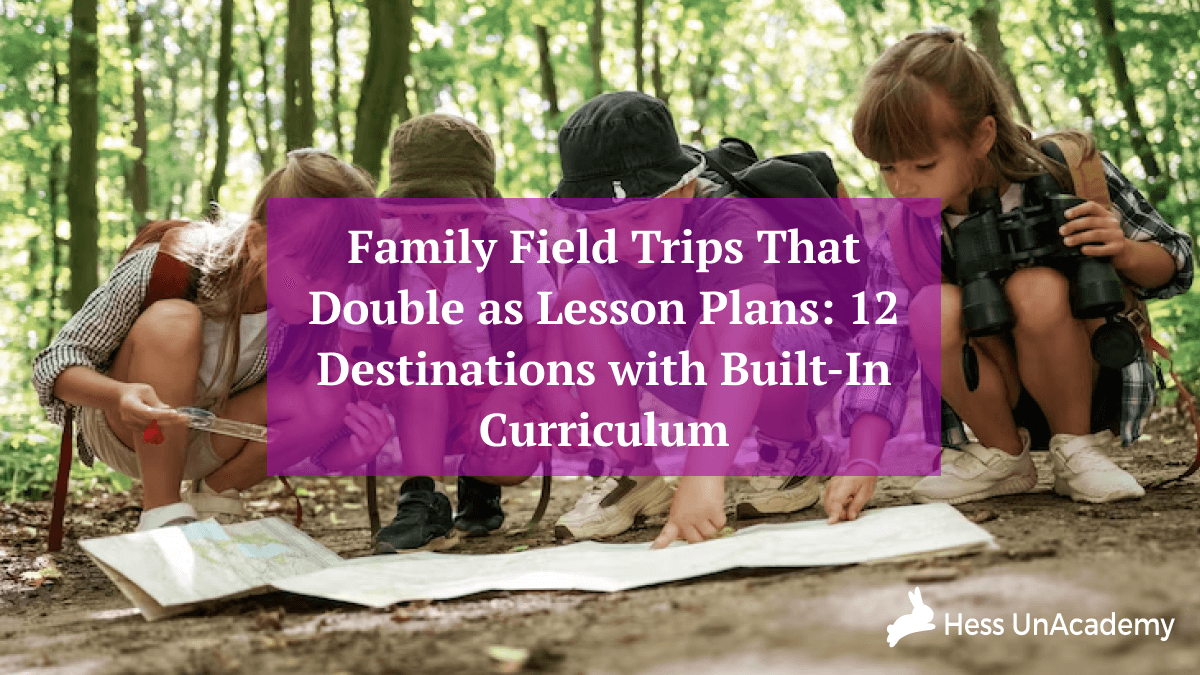
Family Field Trips with Built-In Curriculum: 12 Destinations That Make Learning Fun Looking for family field trips with built-in curriculum that combine education and adventure? Parents, guardians, and educators—imagine a day out that sparks curiosity, inspires learning, and effortlessly blends family fun with structured lessons. Whether you’re planning a weekend getaway or a holiday outing, these family field trips with built-in curriculum are designed to enrich your child’s education while creating unforgettable memories. Let’s explore destinations where education meets excitement, making every excursion a chance to learn and grow together.
Easy Navigation
Introduction: Blending Adventure with Learning
Field trips offer a dynamic way to extend classroom learning into the real world. For families and homeschoolers alike, combining education with exploration can turn an ordinary day into a transformative learning experience. Imagine discussing ancient civilizations while exploring a historical landmark or mastering scientific concepts through hands-on experiments at a local museum. These experiences not only reinforce academic subjects but also cultivate critical thinking and curiosity in children.


Benefits of Family Field Trips for Integrated Learning
Enhancing Real–World Understanding
When children leave behind textbooks and lecture halls, they immerse themselves in real-world environments where learning lives and breathes. Field trips allow young learners to witness historical events, scientific experiments, and artistic expressions firsthand. This interactive exposure strengthens their understanding by connecting abstract ideas to tangible examples.
Building Lifelong Memories
Every destination holds a story. Whether it’s the wonder in a child’s eyes at a science center or the spark of interest when exploring a museum exhibit, these moments create lasting memories. Such experiences are not only fun, but they also contribute to emotional and intellectual growth, reinforcing lessons learned long after the trip is over.
Boosting Curiosity and Engagement
Family field trips cultivate innate curiosity. By engaging with interactive exhibits and participatory activities, children are encouraged to ask questions and seek answers beyond classroom walls. This self-driven curiosity plays a pivotal role in lifelong learning, empowering students to take charge of their education.
Encouraging Family Collaboration
Learning together strengthens family bonds. A shared educational experience encourages discussions, debates, and collaborative problem-solving. These interactions help build a support system where learning is a collective adventure, fostering resilience and mutual support in academic endeavors.
12 Destination Ideas That Serve as Built‑In Curriculum
1. Interactive Science Centers
Science centers are hubs for innovation and hands-on exploration. They feature interactive exhibits where children can witness physics in motion, explore biological wonders, and experiment with technology. Many centers offer workshops that dovetail with science curricula, allowing families to actively engage with topics from energy conservation to space exploration.
2. Natural History Museums
Step back in time at a natural history museum, where fossils, dioramas, and ancient artifacts narrate the story of Earth. Lessons about geological eras, extinct species, and evolutionary biology come alive in galleries designed to kindle curiosity. Many museums provide educational kits that allow educators and parents to extend these lessons at home.
3. Zoos and Wildlife Reserves
Zoos offer much more than a chance to see animals. They serve as open-air classrooms where ecosystems, animal behavior, and conservation issues become accessible topics for discussion. Storytelling sessions by animal keepers and interactive feeding demonstrations further bolster understanding of environmental stewardship and biology.
4. Botanical Gardens
Botanical gardens showcase the beauty of plant diversity while teaching kids about ecology, botany, and sustainability. Guided tours often include lessons on plant biology, medicinal uses of herbs, and the importance of biodiversity. Families can engage in scavenger hunts, nature journaling, and even gardening workshops to deepen their connection with nature.
5. Local Farms and Agricultural Tours
Visiting a local farm transforms abstract agricultural concepts into a lived experience. Children learn about sustainable farming practices, food cycles, and nutrition firsthand. Many farms offer hands-on activities like planting seeds or milking demonstrations, perfect for integrating science and life skills into your lesson plan.


6. Art Museums and Galleries
Art museums are ideal for exploring culture, history, and creative expression. They encourage children to interpret visual storytelling and become immersed in the world of art history. Many galleries host family-friendly workshops where kids experiment with colors, textures, and artistic techniques that complement art curricula.
7. Community Libraries
Modern libraries have evolved into vibrant community centers. Beyond books, they offer interactive story times, digital discovery zones, and creative writing workshops. Parents and educators can use library visits to correlate literature with historical events or cultural studies, making reading an immersive, interactive experience.

8. Historical Landmarks and Museums
Historical landmarks and museums offer a deep dive into the events that shaped our society. Walking through historic battlefields or preserved historic homes brings subjects like civics, social studies, and history into vivid reality. Many sites offer guided tours, reenactments, and interactive exhibits to help children contextualize their classroom learnings.
9. Planetariums and Space Centers
Space exploration has fascinated children for generations. Planetariums provide an immersive experience into astronomy and the sciences behind stars and galaxies. By witnessing simulated space flights and full-dome presentations, children connect physics and mathematics to the vast, mysterious universe, fostering an early interest in STEM disciplines.
10. Community Cultural Centers
These centers highlight the diversity of art, language, and traditions within a community. Immersed in multicultural exhibits and interactive language classes, children are encouraged to explore art, music, and dance. This exposure promotes an understanding of cultural diversity that can complement social studies and language curricula.
11. Aquariums and Marine Centers
The underwater world is full of wonder and mystery. Aquariums showcase aquatic ecosystems where families can learn about marine biology, conservation, and habitat science. Interactive touch tanks, feeding sessions, and behind‑the‑scenes tours create a dynamic and engaging environment to discuss ecological responsibilities and the science of aquatic life.
12. National Parks and Local Nature Reserves
Spanning diverse landscapes, national parks and local nature reserves offer unrivaled opportunities to study natural habitats, geology, and environmental science. From guided hikes to bird watching and geology workshops, these outings help children appreciate the importance of preserving nature. They serve as an excellent backdrop for discussions on Earth sciences, conservation, and even photography as an art form.


Integrating Field Trips with Curriculum
Planning Ahead for Success
Successful field trips require a well-thought-out plan. Before heading out, review your child’s current lesson plan and identify areas where real-life experiences can reinforce academic concepts. For instance, if you’re studying ecosystems, a visit to a zoo or botanical garden can offer a practical demonstration of food chains and biodiversity. Preparing guiding questions and a checklist of topics to observe will ensure that your trip reinforces classroom lessons.
Using Interactive Activities
Interactive experiences heighten engagement. Many field trip destinations offer hands-on activities such as workshops, scavenger hunts, or guided tours. These activities can be directly tied to your lesson objectives. For example, during a visit to a local farm, ask your child to note down the different stages of plant growth or identify the various types of crops grown. This method transforms passive observation into active learning and comprehension.
Documenting the Experience
Encourage children to keep a field trip journal. Whether through sketches, photographs, or written reflections, documenting the experience deepens learning. These journals can later serve as project bases, classroom presentation materials, or even digital portfolios for future academic submissions. Combining digital literacy with traditional art, children learn to express and compile knowledge through multiple mediums.
Integrating Follow‑Up Lessons
After the field trip, plan follow‑up activities that reinforce the experience. Review the notes and observations with your child and connect them to established curricular goals. This might involve projects such as creating dioramas of ecosystems visited, writing a report on historical landmarks, or developing a simple scientific experiment based on observations from a science center. Such post‑trip activities bolster retention and encourage deeper inquiry into the subject matter.
Conclusion: Bringing It All Together
Family field trips that integrate with lesson plans are more than just outings—they are immersive educational experiences that nurture curiosity, reinforce academic concepts, and strengthen family bonds. Each destination, whether it be a natural history museum or a bustling community cultural center, serves as a testament to the power of learning in real‑world settings. With a bit of planning and creativity, your next family excursion can transform into an engaging, curriculum‑supported adventure that inspires lifelong learning.
Remember, the key to success is intentionality. Align destinations with your lesson plans, encourage interactive exploration, and document every discovery. These practices not only enhance learning but also make education a shared and dynamic journey. For families eager to take the next step, visit our resource center to discover more creative ways to blend adventure with learning. Practical Take‑aways: Plan ahead by matching your lesson objectives with the trip’s learning environment, prepare interactive guiding questions, and follow up with reflective activities. Actionable Tip: Start small—choose one destination that best complements a current lesson plan, and build upon its successes for your next field trip adventure!
- Love Languages in Learning: How Children Receive Encouragement Differently - February 2, 2026
- Valentine’s Day Ideas for Homeschoolers - January 25, 2026
- Parent Self-Care & Homeschooling: Why It Matters and 5 Simple Strategies - January 12, 2026