


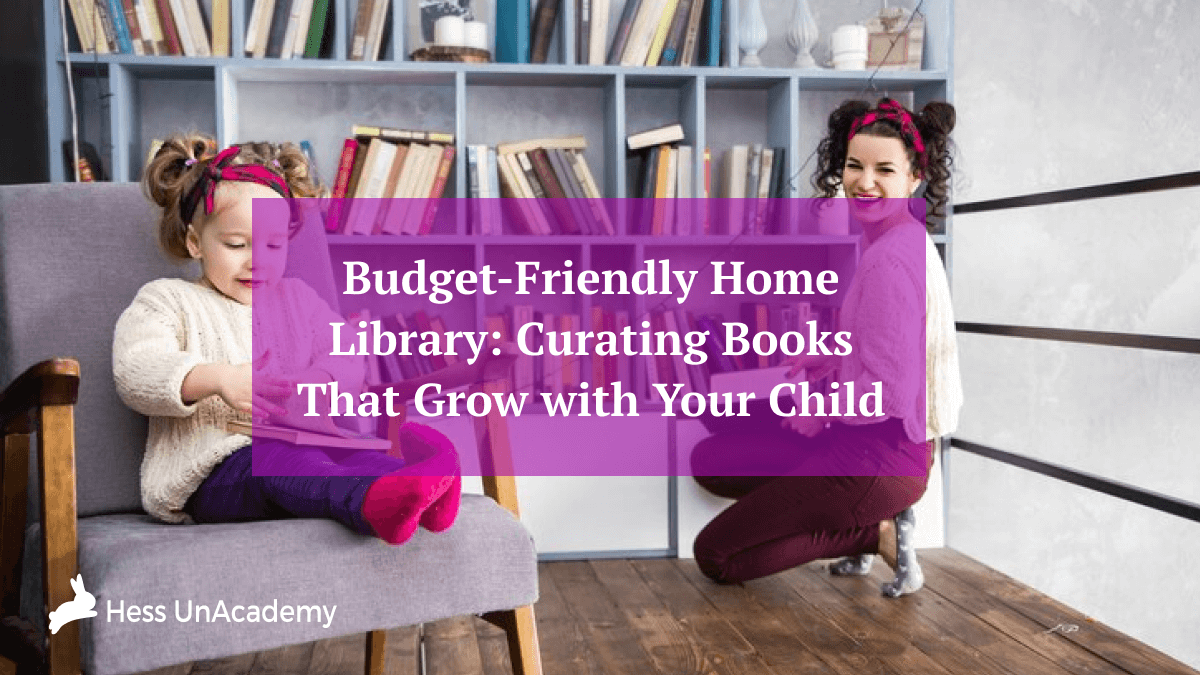
Creating a budget-friendly home library is one of the smartest investments parents and educators can make to support lifelong learning. Have you ever felt overwhelmed trying to create a nurturing reading space that evolves with your child’s learning journey? Imagine a home library that not only captures the charm of childhood stories but also adapts to your child’s growing curiosity and educational needs—all without breaking the bank. Welcome to a guide that offers you practical advice, real-world examples, and research-based strategies to curate a home library that supports vibrant learning experiences while being mindful of your budget.
Easy Navigation
The Importance of a Growing Home Library
Why Invest in a Home Library?
A well-curated home library serves as the cornerstone of your child’s journey toward literacy and lifelong learning. When parents invest time and creativity into curating a collection of books, they are creating a rich environment where curiosity can flourish. A home library offers a safe haven for exploration—a place where stories come alive, critical thinking is nurtured, and the love of learning takes root. This intentional effort transforms reading from a mere academic task into a joyful adventure that adapts as your child grows.


Benefits Beyond the Books
The benefits of a home library extend well beyond turning pages. Research shows that children exposed to a diverse array of reading materials develop better language skills, emotional intelligence, and even social competence. For families on a budget, prioritizing a versatile home library can result in substantial long-term savings by reducing the need for costly extracurricular lessons and tutoring. It’s an investment in your child’s future, one that builds discipline, ignites imagination, and strengthens family bonds as you explore stories together.
Budget-Friendly Strategies for Building Your Library
Start with What You Have
Before you rush into new purchases, take stock of your current collection. Over time, you and your children may have gathered a variety of books that still hold value. Begin by sorting these items based on age-appropriateness and condition. Ask yourself: Which stories still spark joy? Which books resonate with my child’s evolving interests? Often, a simple reorganization of existing books can breathe new life into your reading space and make it feel like an evolving learning hub.
Embrace Secondhand and Thrift Options
Building your home library on a tight budget is easier than you might think. Local thrift stores, library sales, and online marketplaces offer a treasure trove of quality books at a fraction of the cost. The hunt for secondhand gems can become an enjoyable family activity, deepening your child’s sense of adventure and responsibility. The pride in finding and sharing such treasures creates memories, encourages resourcefulness, and reinforces the idea that knowledge and imagination are priceless—even when acquired economically.
Swap and Share with Other Families
Don’t underestimate the power of community. Book swaps among friends, neighbors, or school groups can both expand your library and build camaraderie. Establish a mini “book club” where each family contributes a few titles to the rotation. This system not only keeps costs low but also introduces your child to diverse perspectives and authors. It’s an organic way to continuously refresh your home library while reinforcing the value of communal learning and sharing.


Curating Books That Grow with Your Child
Understand Your Child’s Evolving Interests
Children change rapidly—not just physically but intellectually and emotionally as well. By understanding your child’s current interests and anticipating future curiosities, you can curate a home library that evolves in tandem with their growth. Begin with classic picture books and fairy tales for early years, then transition to more complex narratives and informational texts as they age. Consider including topics that cater to a broad spectrum of interests—from biographies and science to art and global cultures. Let your child have a say in selecting books; their opinions foster ownership and motivate them to eagerly dive into each narrative.
Pacing the Collection for Developmental Phases
Consider your library as a living resource that shifts through distinct developmental phases. Early childhood libraries might focus on colorful imagery and simple language, whereas a collection for tween years might include historical novels or interactive non-fiction. For instance, when your child transitions from picture books to chapter books, seamlessly introduce well-reviewed transitional titles that spark conversation, critical thinking, and empathy. This gradual evolution ensures that as academic challenges grow, your child’s literary foundation remains robust and supportive.
Incorporating Multicultural and Diverse Narratives
A truly enriching home library should celebrate diversity. Ensure that your book selection features multicultural stories, varied family structures, and global perspectives. This inclusion not only broadens your child’s worldview but also promotes empathy and critical social awareness. When children see characters who mirror their own diverse experiences or who introduce them to new traditions, they learn the value of inclusivity and respect. It’s a tool for social development that paves the way for thoughtful global citizens.
Designing a Functional and Inviting Library Space
Creating a Child-Centered Environment
The physical setup of your home library should eventually invite your child to explore and learn independently. Arrange seating, cushions, and appropriate lighting to create a cozy reading nook that beckons young minds. A child-centered environment is not just about aesthetics—it’s about fostering a sense of ownership. Encourage your child to help arrange the books on low shelves or label each section; this interaction can instill a sense of pride and responsibility. When children play a role in designing their space, they are more likely to respect and use it.
Maximizing Space with Creative Storage Solutions
Budget constraints often demand creativity, which is where DIY projects and repurposed furniture come in. Consider using inexpensive crates, shelves, or even recycled jars to store smaller books. Utilize every nook and cranny, from under the staircase to the space above door frames. Accessibility is key—ensure that storage solutions allow children to independently pick and return books. Regularly rearranging the display not only reinvigorates interest but also reinforces organization skills in a subtle, engaging way.

Atmosphere and Ambiance: Lighting, Colors, and Comfort
The atmosphere in your reading nook or library can greatly enhance the experience. Soft lighting can reduce eye strain and create a calm space for reading after busy school days. Use warm colors that evoke comfort and security, and consider acoustic elements such as a small indoor fountain or soft background music for a soothing ambiance. Each element should work harmoniously to create a setting that educates the senses—fostering an environment where both focus and relaxation coexist.
Navigating Digital Resources and Community Programs
Integrating Digital Tools on a Budget
In our increasingly digital world, a home library doesn’t have to be solely physical. E-books and audiobooks are excellent alternatives when physical copies stretch your budget. Many public libraries offer free digital lending services, and educational platforms provide curated reading lists and interactive book apps that align with school curricula. By integrating digital tools, you can expand your child’s access to a world of literature that is both modern and cost-effective. This digital frontier reinforces the idea that learning is not confined to printed words, but extends into innovative realms of audio and interactive visual learning.

Leveraging Community and School Resources
Partnering with local libraries, community centers, and schools can offer a suite of benefits. Many of these establishments hold book fairs, reading camps, or creative writing workshops at minimal or no cost. Attend interlibrary events or community storytelling days to supplement your home library with temporary yet enriching experiences. These collaborations offer a twofold benefit: they provide immediate, diverse learning opportunities while instilling in your child the value of community and lifelong partnership in education. In addition, by networking with other parents, you may discover shared resources or local initiatives designed to promote reading.
Turning Book Curation into a Family Affair
Engaging Your Child in the Process
The journey of curating a home library can become a treasured family project. Invite your child to participate by setting aside regular “library days” where you both scout for new reads, reorganize their current collection, and even create handmade book covers. This active engagement not only nurtures a passion for literature but models critical decision-making skills. Encourage your child to write short reviews or keep a reading journal that tracks their evolving interests and insights. Such collaborative opportunities transform book curation into a shared learning experience, strengthening family bonds while fostering autonomous exploration.
Celebrating Milestones and Reading Achievements
Acknowledging your child’s progress is essential. Whether it’s finishing a particularly challenging book series or simply discovering a new favorite author, celebrate every milestone. You might designate a special reading corner for “award-winning” books or host a mini celebration once a month dedicated to new discoveries. Such gestures reinforce the idea that reading is not just a passive activity, but an adventure filled with excitement and personal growth. In addition, celebrating achievements can instill confidence, encouraging your child to explore more diverse and challenging material as they continue their academic journey.
Real-World Examples: Transforming Spaces on a Budget
Case Study: The Martinez Family’s Mini Library
The Martinez family started with a small box of donated books and a corner in their living room. Over time, they transformed that unassuming space into a vibrant reading nook complete with reclaimed wood shelves, colorful bean bags, and a rotating selection of both new and secondhand titles. By hosting monthly book swaps with neighbors and using online resources for free audiobooks, they managed to cultivate a rich literary environment that adapts as their children grew older. Not only did the project save the family money, but it also became a source of community pride and a daily reminder that valuable education can come from creative, budget‑friendly solutions.
Case Study: DIY Reading Nook Transformation
In another inspiring example, a single-parent household repurposed an unused dining table into a dynamic study and reading space by adding affordable storage solutions, DIY shelving, and hand-painted murals that brought stories to life. The parent involved their child in every step—from picking colors to arranging the books by genre. This hands‑on process not only saved substantial funds from professional redecorating services but also instilled a deep sense of ownership and responsibility in the child. Their success story is a testament to the idea that crafting an educational environment can be as much about creative problem-solving as it is about choosing the right books.


Maintaining and Evolving Your Home Library Over Time
Regular Reviews and Updates
A home library is an evolving resource that benefits from regular review. Dedicate time every few months to assess which books remain relevant and which may have outgrown your child’s interests. Consider setting up a “review day” once every season where you both evaluate the collection together. Remove books that no longer spark curiosity and introduce new titles that reflect your child’s ongoing passions. By keeping the collection dynamic and current on a regular basis, you ensure that your library remains a vibrant hub of discovery and engagement.
Adapting to Academic and Personal Growth
As children progress from basic reading levels to more complex coursework, their library should reflect this shift. Incorporate reference materials, educational guides, and subjects that challenge them academically while remaining accessible. This adaptation is not just about academic rigor—it’s also about nurturing a well-rounded individual. By integrating resources that foster analytical thinking, creativity, and problem‑solving, you transform your home library from a static collection into a dynamic learning toolkit that evolves around your child’s long‑term goals.
Saving for the Future: Investments that Pay Off
Though the intent is to remain budget‑friendly, it is wise to smartly invest in a few quality, timeless pieces that can be passed from one developmental phase to the next. These cornerstone books are often classics or culturally significant works that provide depth and context to early learning. While they may require a slightly higher upfront cost, their enduring value and potential to be shared among siblings or even future generations make them an investment in lifelong learning.
Wrapping It All Up: Practical Take‑aways and Actionable Tip
Creating and maintaining a budget‑friendly home library that grows with your child is a rewarding journey that marries creativity with pragmatism. Remember, start with what you already have, embrace secondhand options, and foster community connections to expand your collection without stretching your finances. Engage your child in the process and let the library be a canvas for evolving interests and shared adventures. With each step—be it organizing shelves, attending local book swaps, or integrating digital tools—you’re laying the foundation for a life filled with intellectual curiosity and cultural richness.
To sum up your journey:
- Begin by assessing your current book collection.
- Seek out affordable sources such as thrift stores and digital libraries.
- Create a safe, inviting space that grows with your child’s needs.
- Celebrate every milestone and involve your entire family in the process.
As you embark on building or refreshing your home library, consider this bold suggestion: Explore our free resource hub for additional tips, curated reading lists, and guides tailored to your child’s developmental stages. Whether you’re reorganizing a quiet corner or establishing a new reading room, each action you take not only enriches your child’s educational journey but also strengthens the bond of family learning.
Practical Take‑aways and Actionable tip: Schedule a monthly “library day” where the family reviews current reads, discusses what new topics spark curiosity, and identifies one book to donate or swap. This continuous cycle of reflection and renewal ensures your home library remains a dynamic and cherished resource that naturally evolves with both your child and your family’s educational journey.
- The Science of Play: Turning Everyday Toys into STEM Lessons - May 27, 2025
- Budget‑Friendly Home Library: Curating Books That Grow with Your Child - May 27, 2025
- Five At‑Home STEM Experiments for Children Aged 4–8 - April 24, 2025