


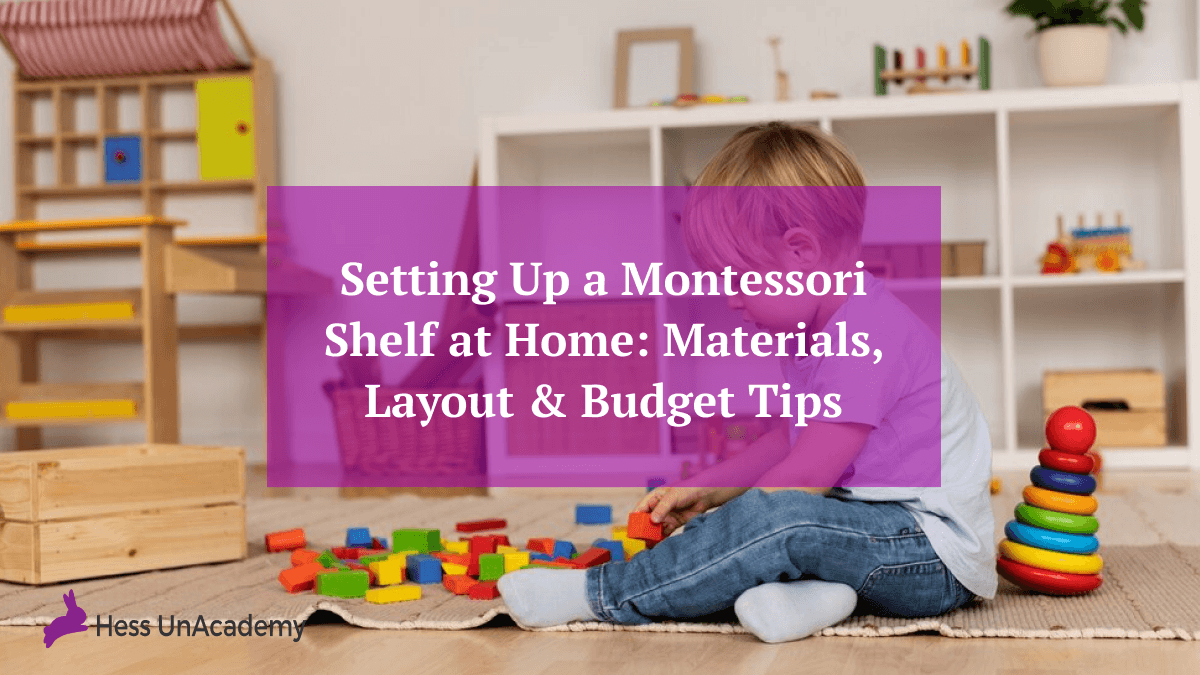
Setting up a Montessori shelf at home is more than designing a child-friendly space—it’s about nurturing independent learning and exploration in a warm, engaging environment. Whether you’re a parent, guardian, or educator, this guide provides practical insights and actionable tips to craft an inspiring learning corner that empowers your child. You’ll learn what materials work best, how to design the ideal layout, and budget tips that keep your project affordable and efficient.
Easy Navigation
Understanding the Montessori Philosophy
The Importance of a Prepared Environment
Montessori education is centered around the belief that a well-prepared environment is crucial for stimulating a child’s natural curiosity and growth. When setting up a Montessori shelf, think of it as creating a mini classroom where each item has a purpose. For example, placing learning materials at a child’s eye level invites self-initiated exploration, allowing them to independently choose activities that suit their interests and abilities.


Knowledge Through All Senses
The Montessori method embraces multisensory learning. A thoughtfully arranged shelf should include tactile, visual, and even auditory materials. For instance, a set of wooden blocks, textured fabrics, and subtle sound puzzles can encourage sensory engagement, helping children build cognitive skills through every touch and sound. Such an arrangement supports both spontaneous discovery and focused learning.
Essential Materials for Your Montessori Shelf
Wooden and Natural Materials
Wooden toys and natural objects help maintain a calm, grounded learning environment. Look for materials like wooden puzzles, blocks, cloth books, and simple, durable tools. These toys not only withstand the test of time but also evoke a sense of nature that complements Montessori’s emphasis on natural exploration.
Learning Aids and Hands-on Tools
It is important to include educational tools that promote self-correction and sensory learning. Materials such as sorting beads, fabric swatches, and basic math manipulatives can pave the way for independent learning and discovery. Choose items that are versatile and that naturally invite interaction without constant supervision. Each piece should be accessible and in pristine condition.
Create a Rotating Collection
To keep your child continually engaged, consider creating a rotating collection of items on your Montessori shelf. This might include seasonal activities and rotating thematic content, such as nature objects in spring or puzzles in winter. Rotating items prevent boredom and encourage your child to revisit materials with a fresh perspective each time.


Designing an Engaging Layout
Accessibility is Key
The layout of your Montessori shelf should ensure that every item is within easy reach of your child. Place shelves at a child-friendly height and consider using low, open storage units that invite independent access. Items arranged from left to right or top to bottom, in clear categories, help children recognize and choose what sparks their interest.
Balance of Order and Freedom
While a tidy, organized shelf aids concentration, it is equally important to allow flexibility within the framework. Design your space so that the display functions organically—items can be regrouped or refreshed as your child’s interests narrow or expand. A balance between structure and freedom encourages self-discipline and nurtures a sense of responsibility in tidying up.
Zones for Different Activities
Consider dividing your space into clearly defined zones. For example, create a math zone with blocks and counting beads, a language zone with books and letters, and a creative zone with art supplies or puzzles. This zoning not only makes the shelf visually appealing but also sets a clear expectation of where certain activities take place, which can help in establishing a routine.
Budget-Friendly Strategies for a Montessori Shelf
Repurpose What You Already Have
Before purchasing new items, take stock of toys and materials already at home. Often, common household objects can serve as effective educational tools. Mason jars, baskets, and even kitchen utensils can become part of a creative learning environment with a little imagination. Repurposing reduces cost and also provides a sense of discovery about the versatile nature of everyday objects.
DIY Projects and Upcycling
Embracing DIY projects not only reduces expenses but also adds a personal touch to your shelf. Build custom storage units, paint simple wooden boxes in child-friendly colors, or stitch fabric pouches to organize smaller items. These creative projects can be fun family activities that double as learning experiences in crafting and resourcefulness.


Shop Second-Hand and Discount Stores
Thrift stores, online marketplaces, and local community sales are treasure troves for gently used educational toys and furniture. Look out for items that can be cleaned and repurposed to suit the Montessori environment. Often, you can find high-quality items at a fraction of the cost of new ones, which allows you to invest more in versatile materials and creative set-ups.
Real-World Implementation: Examples from Home
Creating a Nature-Inspired Shelf
One family transformed their spare corner into a nature-inspired Montessori shelf. By incorporating elements like smooth stones, leaves, and wooden figurines, they provided a tactile exploration station that triggered discussions about seasons, plants, and ecosystems. This thematic approach deepened the children’s understanding of the natural world.

Integrating Art and Literacy
Another example is a dual-purpose shelf that combined art supplies with storytelling basics. By arranging picture books alongside colored pencils, paper, and clay, children were encouraged to create their own narratives—blending visual creativity with language development. Such an integrated setup shows that learning spaces can cater to more than one subject area without sacrificing organization.
Techniques for Encouraging Independence
Families have also reported success by labeling sections of the shelf with clear, child-friendly icons and words. For example, labels for “Puzzle Zone” or “Reading Corner” empower children to know where to return items and choose the activity that interests them the most. This method not only boosts organization but also supports early literacy skills as children learn to match words with images.
Common Challenges and Creative Solutions
Overcoming Limited Space and Clutter
Many parents face the hurdle of limited space. In smaller areas, creativity is key. Use vertical storage and wall-mounted shelves to maximise the available area. Additionally, changing displays periodically can prevent the accumulation of clutter. Involving your child in the process of rearranging items can foster a sense of ownership and contribute to an ever-evolving, manageable learning platform.
Ensuring Durability and Safety
Safety is non-negotiable in any educational space. Choose materials that are durable, non-toxic, and easy to clean. Wooden toys are favored not only for their timeless appeal but also for their resilience in active, hands-on play. Spend time verifying that all shelves and storage units are securely fixed to avoid any accidents, and regularly inspect items for wear and tear.
Balancing Cost and Quality
While budget-friendly solutions are essential, it’s important never to compromise on quality—especially in a learning environment that might see a lot of use. If opting for second-hand items, ensure they are safe and in good condition. Prioritise durable pieces over trendy items that may not have a long lifespan. Remember that investing a little more upfront in quality materials can save money and stress in the long run.


Practical Take‑aways and Actionable Tips
Step‑by‑Step Plan for Getting Started
Begin by clearing a small, defined area in your home where the shelf will reside. Measure the space to determine what type of storage units are most appropriate. Write a list of all potential activities your child enjoys or you wish to introduce. Then, sketch a simple layout that includes zones for different activities—each with accessible, clearly labeled storage. This plan will serve as your roadmap, keeping the process organised and focused.
Actionable Tips for Budget Management
Prioritize essentials: Start with core Montessori materials and add supplementary items gradually.
Plan DIY projects: Allocate time for family crafting sessions to create custom storage and decor.
Look for community deals: Join local parent groups or online forums to trade resources and ideas.
Encouraging Child Involvement
Allow your child to participate in setting up the shelf. Their input is invaluable—simple decisions like choosing colors for DIY projects or placing items in the order they prefer can boost their confidence and enthusiasm for learning. This collaborative approach also models how to organise and take pride in one’s environment, a key principle of Montessori education.
Integrating Daily Routines
Once your shelf is set up, establish a daily routine where your child spends time independently exploring each zone. Encourage regular tidying-up sessions by showing them how to care for their materials. This not only reinforces organisational skills but also ensures that the learning environment remains inviting and functional. In the spirit of Montessori, each step should foster independence and responsibility.
Monitoring and Evolving the Setup
It’s important to periodically assess the shelf’s effectiveness. Engage in simple discussions with your child about what they love and if there are areas they feel could be improved. Taking a reflective approach allows for adjustments that are both practical and responsive to their evolving interests and developmental needs. Consider setting aside time every few months to rotate materials and refresh the layout, ensuring that the learning space continues to inspire curiosity.
Final Thoughts and Encouragement
Setting up a Montessori shelf doesn’t have to be a daunting project. With careful planning and a creative approach, you can transform a corner of your home into a vibrant, educational hub underpinned by autonomy, order, and joy. Remember, the goal isn’t just to create a stylish storage solution, but to build an environment where each element encourages self-direction in learning. The gradual and flexible journey of setting up your Montessori shelf is as enriching for you as it is for your child.
Now is the perfect time to embark on this fun, educational adventure. Start creating your Montessori learning space today! By serving both the heart and the mind, you are laying the foundation for lifelong learning and self-discovery. Keep these practical tips in mind as you experiment and adapt—your Montessori shelf is a living project that grows and evolves with your child.
Practical Take‑aways and Actionable tip: Begin with a simple, accessible layout; let your child help choose and arrange materials; and adopt a rotation system that keeps the environment dynamic. With these strategies, you’re not only setting up a Montessori shelf—you’re creating a nurturing space where your child’s independence and curiosity can flourish.
- Love Languages in Learning: How Children Receive Encouragement Differently - February 2, 2026
- Valentine’s Day Ideas for Homeschoolers - January 25, 2026
- Parent Self-Care & Homeschooling: Why It Matters and 5 Simple Strategies - January 12, 2026