


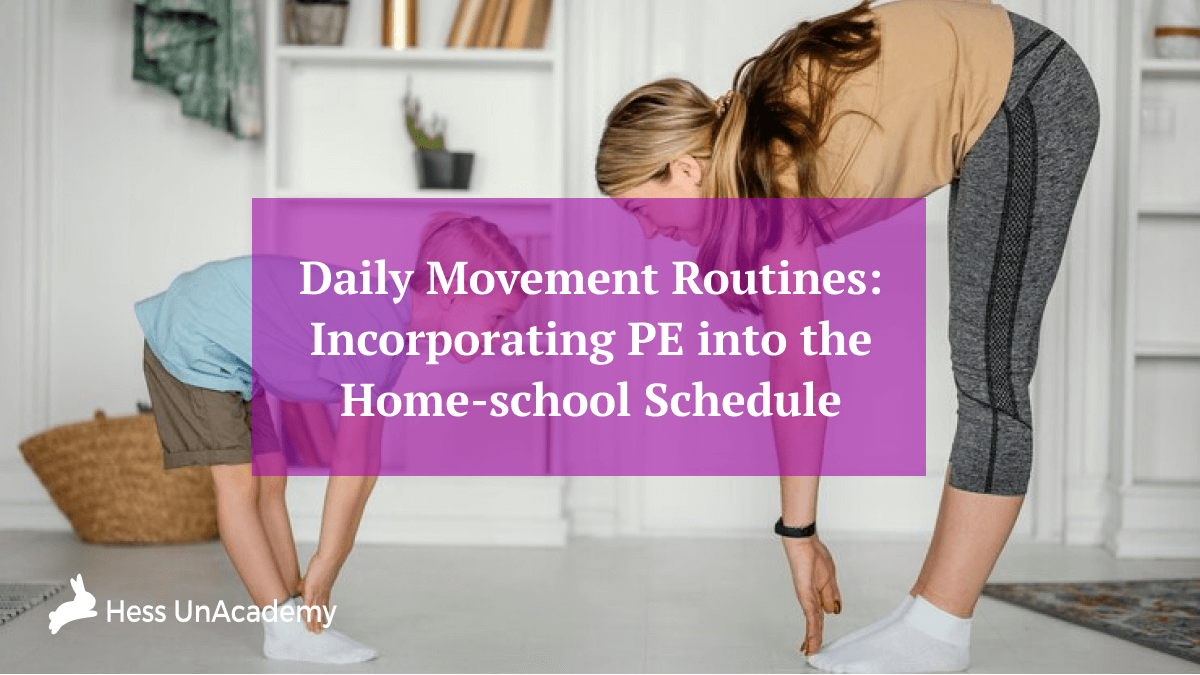
Homeschool PE routines are an essential part of a child’s balanced education. As parents, guardians, and educators, you understand that nurturing academic growth goes hand in hand with promoting physical well‑being. Imagine a learning environment where movement propels both mind and body forward—a space where every lesson integrates physical activity with literacy, math, and creative learning. We know that establishing consistent physical education routines at home can be a game‑changer for your child’s focus, energy, and overall happiness.
Easy Navigation
Understanding the Role of Physical Education in Homeschooling
The Connection Between Movement and Learning
It may surprise you to learn that movement routines are much more than just a break between lessons. Research consistently shows that regular physical activity is linked to improved attention spans, enhanced problem‑solving skills, and stronger memory retention. When children engage in activities that challenge both their bodies and minds, they develop a more holistic learning approach that bridges the gap between kinetic energy and intellectual engagement.


Why PE Is Essential in Today’s Homeschool Environment
In the modern homeschooling landscape, regular physical exercise isn’t a luxury—it’s a necessity. Incorporating daily movement routines can help combat the sedentary tendencies that come with long hours at the desk. Moreover, movement breaks may reduce stress and foster a joy for learning. By embedding these routines into your home‑school schedule, you ensure that your child experiences the full benefit of a balanced education—one that accounts for both mental and physical development.
Planning Your Daily Movement Routines
Assessing Your Family’s Needs and Interests
Every homeschooling family is unique, and the approach to physical education should be no different. Begin by evaluating the interests and energy levels of your children. Some kids might thrive on high‑energy activities like dancing or jumping jacks, while others prefer calmer routines like yoga or stretching. This self‑assessment will allow you to design a routine tailored to individual needs and ensure every child feels engaged and empowered.
Structuring Your Homeschool Day
Integrating PE into a daily schedule does not have to be an added chore. Instead, see it as an opportunity to enrich your homeschool curriculum. Designate small pockets of time—perhaps a brisk 10‑minute warm‑up before starting academic lessons, or active recess between subjects. Consistency is key; by scheduling movement routines at the same time each day, you create an environment where physical activity becomes a natural extension of your curriculum.
Engaging Your Child with Daily Movement Routines
Making Physical Activity Fun and Inclusive
To truly integrate movement into your home‑school routine, activities should be designed to be both fun and inclusive. Consider a mix of structured routines and free play. For example, organize a mini dance party in the living room, or set up a “movement station” where children can cycle through different exercises. Sensory-based activities like obstacle courses or themed scavenger hunts can turn a standard exercise routine into an adventure that sparks imagination.


Incorporating Real‑World Examples
Take the story of Mia, a homeschooled third‑grader, who transformed her daily routine by mapping out five different physical activities throughout her day. From yoga poses to balance challenges inspired by her favorite storybooks, Mia’s routine not only bolstered her physical strength but also spurred her creativity. When children see physical activity as an integral part of their learning, it nurtures a life‑long appreciation for health and movement.
Creative and Inclusive PE Activities for Home‑schoolers
Active Learning Through Dance and Movement
Dance is an accessible and engaging form of physical education that fosters self‑expression and coordination. Invite your children to join in daily dance routines where they can mimic animal movements or create their own choreography to a favorite song. Facilitating a “dance break” not only energizes their minds but also allows them to connect with their bodies in a joyful manner.
Integrating Mindful Movement and Yoga
Yoga and mindful stretching exercises are particularly beneficial in a home‑school setting. Short yoga sessions can help reduce anxiety, encourage deep breathing, and improve concentration. Look for kid‑friendly yoga routines online or consider creating a simple sequence of poses together. This approach helps children tune into their bodies and learn valuable stress‑management techniques—a benefit that extends well beyond the classroom.
Gamifying Physical Education
Gamification is a powerful tool for engaging children who might otherwise be reluctant to participate in structured exercise. Establish simple competitive games such as timed circuit challenges or “Simon Says” style movement directives to inspire enthusiasm. These games not only improve physical fitness but also teach children about healthy competition and teamwork.
Integrating Movement with Academic Subjects
Movement-Enhanced Math Lessons
Believe it or not, you can work on math skills while engaging in physical activities. Try incorporating jump‑counting games that encourage children to count aloud with every jump. Multiplication tables can be recited during a brisk walk or jog, turning a routine lesson into a dynamic experience. Such activities create multisensory learning opportunities that deepen understanding while keeping the body active.


Storytelling and Dramatic Play
Fusing PE with literature and drama can have an incredibly transformative effect on a child’s learning experience. After reading a story, invite your child to act out scenes or mimic the actions of the characters. This method not only aids in comprehension and retention of information but also channels energy into imaginative physical expression. It’s a reminder that every subject can be an opportunity for physical creativity.
Science in Motion
For science lessons, take your children on a nature walk where they collect items for a project or observe the physical dynamics of the world around them. Activities like balancing experiments or simple obstacle courses can serve as an introduction to basic physics concepts. These experiences make abstract theories tangible and foster a natural curiosity about the world.

Overcoming Common Challenges in Incorporating PE
Time Constraints and Busy Schedules
One of the most common challenges for homeschooling families is finding the time to fit in physical education. Remember, even short bursts of activity can have a positive impact. Consider using a timer to carve out several 5‑ to 10‑minute movement sessions spread throughout the day. This strategy ensures that physical activity is consistently integrated without overwhelming your schedule.
Motivating Reluctant Participants
Every parent and educator has encountered days when kids simply aren’t motivated to move. When faced with this challenge, consider offering choices. Allow your child to choose from an array of activities such as jumping rope, stretching, or playing a movement game. By giving them the power to decide, you help cultivate a sense of autonomy and increase their willingness to participate.
Maintaining Consistency During Seasonal Changes
Weather and seasonal changes can disrupt routines, especially if outdoor activity is part of your plan. Develop adaptable indoor routines to maintain consistency regardless of the season. For example, create a dedicated indoor space for PE activities or repurpose everyday household items into exercise tools. Flexibility in your routine ensures that your child’s movement—and by extension, their learning—remains uninterrupted.
Practical Strategies for Enhancing Daily PE Engagement
Setting Clear Goals and Tracking Progress
Establishing clear, achievable goals is critical to sustaining daily movement routines. Work with your child to set simple targets, whether it is mastering a new yoga pose or completing a series of exercise drills. Utilize charts, stickers, or digital trackers to celebrate progress. Tracking progress visually helps maintain motivation and provides a sense of accomplishment that reinforces the value of regular physical activity.
Using Technology to Your Advantage
In today’s digital age, technology can be an excellent ally in making physical education more engaging. There are numerous kid‑friendly apps and online videos dedicated to PE, yoga, and dance routines. These digital tools can complement your routines—especially on days when energy runs low. Interactive video sessions and virtual exercise challenges can bring a fresh burst of enthusiasm to your home‑school day.


Involving the Entire Family
One rewarding way to integrate physical education is by making it a family affair. When everyone from parents to grandparents joins in, the home‑school experience becomes more connected and joyful. Plan family activity days where games, hikes, or cycling are part of your learning journey. Such shared experiences can instill lasting habits and form the foundation of a supportive, health‑focused home life.
Incorporating Flexibility and Creativity into Your PE Schedule
Embracing a Variety of Movement Styles
Flexibility is the cornerstone of a successful home‑school PE routine. Rather than sticking to one fixed set of exercises, rotate between various activities such as aerobics, strength training, and balance exercises. This variety not only functions to keep boredom at bay but also addresses different aspects of physical fitness—ensuring your child is developing agility, endurance, and strength simultaneously.
Encouraging Self‑Directed Movement
Some of the most effective learning happens when children take charge of their own routines. Set aside a portion of the day where kids can choose their preferred movement activity, be it dancing, cycling, or even a simple walk around the neighborhood. This self‑initiative fosters responsibility and helps them learn to value their physical health as part of their overall educational journey.
Designing a Resource‑Rich Environment
Transform your home into a mini‑fitness hub by gathering diverse materials such as jump ropes, balls, resistance bands, or even an interactive exercise mat. By ensuring the availability of these resources, you offer varied experiences that cater to different energy levels and interests. Creating dedicated “activity zones” within your home can also help signal to your child that language, math, and movement each have their own special time.
Real‑World Examples of Successful PE Integration
Case Study: The Anderson Family
The Anderson family, like many homeschooling households, faced the challenge of balancing academic goals with the need for regular physical activity. By establishing a structured movement routine that alternated between indoor yoga sessions and outdoor cycling, they observed not only improved academic performance but also a healthier family dynamic. The Andersons took turns choosing daily activities—a strategy that strengthened family bonds and ensured everyone felt invested in the process.
Case Study: Jamie’s Journey
Jamie, a dedicated teenager in a homeschool environment, once struggled with the distractions of a sedentary study routine. After his parents introduced a 15‑minute daily exercise break, his focus and overall performance improved significantly. His experience underscores an important point: integrating daily movement into a busy schedule isn’t just a physical health booster—it’s a tool to enhance mental clarity and resilience in learning.
Overcoming Barriers with Strategic Planning
Evolving With Changing Needs
A dynamic routine must evolve alongside your child’s growing interests and physical abilities. Regularly revisiting and adapting your movement plan can preempt boredom and ensure that each activity remains challenging. Consider scheduling monthly “PE reviews” where you and your child evaluate what worked and what might need a fresh twist. This ongoing dialogue not only fashions a responsive routine but also empowers your child to take ownership of their fitness journey.
Addressing the Struggle with Motivation
It’s natural for energy levels and enthusiasm to fluctuate. On days when motivation is low, opt for shorter, more playful routines that require less structure and allow for spontaneous creativity. Sometimes the simplest solutions—like playing a favorite upbeat song—can trigger movement and lift spirits. These small, flexible adjustments ensure that your PE routine remains a positive, reinforcing part of the daily schedule.
Leveraging Community and Resources
Connecting With the Homeschool Community
You might find that the most valuable insights come from fellow homeschooling families who face similar challenges. Join local or online homeschool groups, where sharing routines, activity ideas, and success stories can bolster your own practice. Discussions in these communities often spark innovative ideas—from group dance challenges via video calls to collaborative nature walks—making each day more engaging for everyone involved.
Utilizing Expert Resources and Research
Drawing on expert guidance can transform your approach to incorporating physical education. Countless studies highlight how regular physical activity improves cognitive performance, emotional regulation, and even social skills. Invest time in reading up on the latest research in children’s education and health. Trusted sources can offer fresh activity ideas and confirm that your efforts are paving the way for long‑term academic and personal development.
Final Thoughts: Energizing Your Homeschool Day
Building a Legacy of Active Learning
Integrating daily movement routines into your home‑school schedule isn’t just about adding extra minutes of exercise—it’s about creating an environment where learning is dynamic, engaging, and intrinsically linked to well‑being. When children experience physical activity as a joyful part of school, the boundary between work and play blurs in a way that fosters creative thinking and lifelong habits. Your commitment to a balanced routine teaches an invaluable lesson: that education is a vibrant, full‑spectrum journey where the body and mind work in harmony.
Empowering Change With Simple Steps
Every small step counts. Start by identifying one area within your day where movement can be seamlessly woven in—be it a morning stretch, a mid‑day dance break, or even a post‑homework walk. Gradually, these moments will evolve into a cohesive routine that boosts energy, reduces stress, and enhances focus. Remember, the power of change lies in consistency and positive reinforcement. As you mold this habit, you’ll witness improvements not just in academic outcomes but also in overall mood and family unity.
For those ready to take the next step, we invite you to explore our extensive resource library at Hess UnAcademy Resources where you can find expert‑backed guides and activity suggestions tailored to the homeschooling journey. With creative strategies, real‑world examples, and research‑driven practices at your fingertips, you’re fully equipped to transform each day into an active celebration of learning.
- Love Languages in Learning: How Children Receive Encouragement Differently - February 2, 2026
- Valentine’s Day Ideas for Homeschoolers - January 25, 2026
- Parent Self-Care & Homeschooling: Why It Matters and 5 Simple Strategies - January 12, 2026