


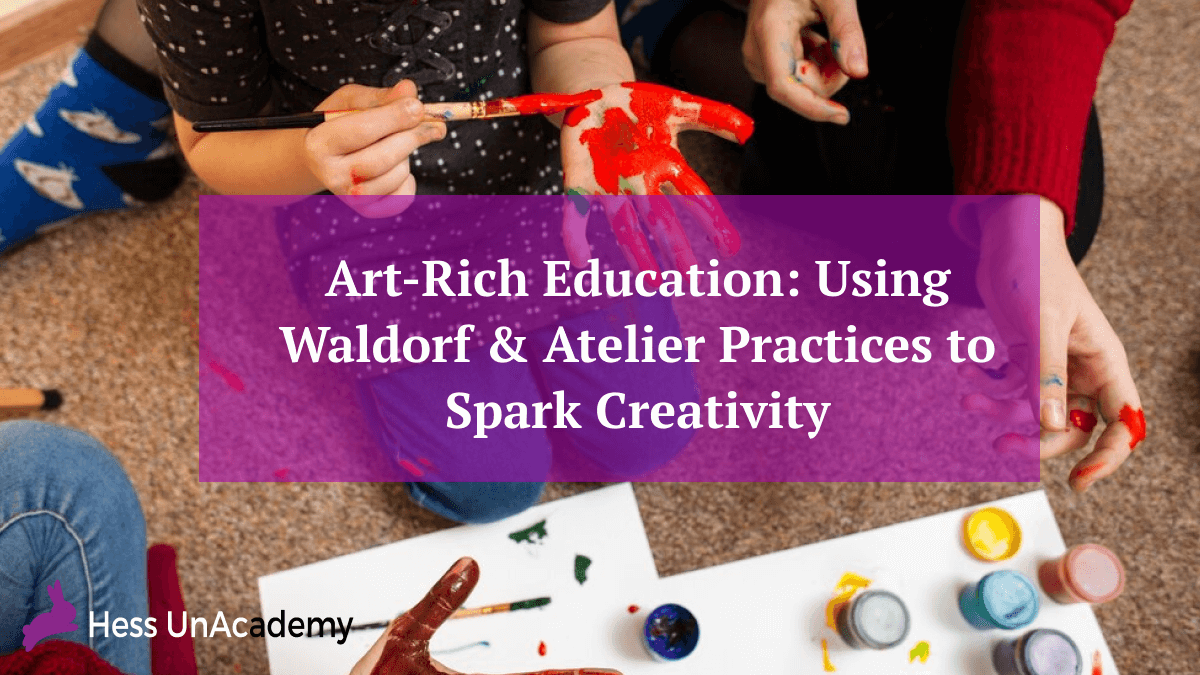
Art-rich education with Waldorf and Atelier practices offers parents, guardians, and educators an innovative way to not only educate but to inspire children and students. This enriching approach blends the time-honored traditions of Waldorf education with the creativity-driven Atelier model, sparking youthful creativity while nurturing holistic development. If you’re ready to transform everyday learning into an unforgettable artistic experience, you’ve come to the right place.
Easy Navigation
Introduction to Art‑Rich Education and Its Impact
A New Perspective on Creativity
Art‑rich education is a vibrant, interdisciplinary approach that transcends traditional teaching methods. It harnesses the power of creative expression, utilizing artistic practices to foster critical thinking and emotional intelligence. Waldorf education teaches children to explore their inner world through storytelling, crafts, and imaginative play, while Atelier practices encourage hands‑on, project‑based learning that integrates art into every lesson.


By integrating these methodologies, educators provide students with a balanced blend of discipline and creativity. This balanced approach not only supports academic achievement but also nurtures the development of empathy, problem solving, and self‑expression—essential skills in today’s rapidly evolving world.
The Significance of Art‑Rich Education Today
In a technology‑driven society where online interaction is predominant, art‑rich education reintroduces the value of tactile, sensory, and communal learning experiences. Teachers who incorporate artistic methods notice a profound shift in student engagement and attention. Creative expression, when paired with structured learning, helps students internalize concepts more effectively and ripe learning environments pave the way for extraordinary personal and academic growth.
Waldorf Education: Nurturing the Imagination
The Fundamentals of Waldorf Techniques
Waldorf education, inspired by Rudolf Steiner’s philosophies, centers on developing the whole child—the head, heart, and hands. Its methodology emphasizes the importance of creativity and imagination in early education, incorporating storytelling, folk art, and natural materials into everyday learning. Schools following this model often set aside academic competition and standardized testing in favor of holistic development. From hand‑made crafts to nature walks, Waldorf practices enhance sensory experiences and help children forge deep connections with their environments.
Engaging the Senses to Encourage Learning
The sensory integration in Waldorf education promotes experiential learning. Imagine a classroom where every lesson is a narrative, every tool a piece of art, and every day a journey of self‑discovery. For instance, in a typical Waldorf classroom, a lesson on history becomes a theatrical production, complete with costumes, songs, and role‑playing which transforms abstract historical facts into living experiences. This methodology not only captures the students’ curiosity but also deepens their understanding by stimulating multiple senses simultaneously.


Real‑World Example: Creative Storytelling in Action
Consider a classroom in which children are asked to recreate a myth using materials they find in nature. A story about ancient heroes becomes a hands‑on project where students create costumes from leaves and twigs, act out dramatic scenes, and even compose simple songs. Such experiences have shown to instill a sense of ownership over learning while building confidence and collaboration among peers.
The Atelier Approach: Fostering Artistic Expression
The Essence of Atelier Practices
The Atelier approach draws inspiration from the world of fine arts, particularly the studio methods used by master artists. Here, the teacher acts as a mentor or guide, encouraging students to explore their individual artistic expressions. Atelier programmes are often project‑based, allowing children to learn through trial, error, and refined craftsmanship. This style of teaching emphasizes process over product, valuing persistent inquiry and creative exploration as pivotal learning tools.
Integrating Art With Structured Curriculum
Atelier practices merge seamlessly with academic subjects. Suppose a teacher wants to address historical events or scientific phenomena; rather than deliver a conventional lecture, they might guide students to create visual or performance art pieces that capture the essence of the topic. For example, an exploration of space might culminate in an art project where children construct models of our solar system using recycled materials. This art‑rich approach transforms the classroom into a dynamic workshop where learning becomes an immersive, multisensory experience.
Benefits for Emotional and Intellectual Growth
Students who engage in Atelier projects develop resilience and innovation. The iterative process of creative exploration—experiencing failures, revising their approach, and ultimately achieving their goals—instills perseverance and self‑confidence. Moreover, the integration of artistic expression in core subjects helps students absorb complex concepts by making abstract ideas tangible and relatable. In many cases, children also discover hidden talents and interests, leading to a lifelong passion for learning and self‑expression.
Integrating Waldorf and Atelier Practices in a Home Environment
Practical Strategies for Parents and Educators
Bringing these artistic educational practices into homes requires creativity, organization, and a passion for lifelong learning. Start small by designating specific times for art‑rich activities within the daily routine. Instead of a rigid schedule, allow moments for free exploration alongside structured projects. A simple craft session, for instance, can evolve into a powerful lesson in both science and art when children experiment with natural dyes to create artwork inspired by their environment.


For homeschooling families and classroom educators, creating designated workspaces, where creativity is nurtured, is essential. In your home classroom, set up a “creative corner” stocked with reusable materials like pastels, paper, natural dyes, and clay. By fostering a space dedicated to art, you invite spontaneous expression and innovative thinking that resonates with the Waldorf and Atelier philosophies.
Building a Collaborative Learning Environment
Both approaches emphasize collaboration over isolation. Arrange group projects that invite children to brainstorm, create, and present their work together. One effective method is the “story quilt,” where each child contributes a segment reflecting their interpretation of a shared theme. Parents and educators can facilitate discussions that interweave personal experience with artistic expression, thereby bolstering community connections and shared learning outcomes.

Adapting to Diverse Learning Styles
Every child learns differently. Waldorf’s emphasis on imaginative storytelling suits those who learn through narrative and visual engagement, while Atelier’s hands‑on approach benefits kinesthetic learners who thrive when they actively participate in the creation process. By merging the two, you create an inclusive learning environment where each student’s strengths are celebrated. Encourage children to articulate their process and discoveries; reflection is a fundamental part of both approaches and allows for deeper learning, critical thinking, and personal expression.
Real‑World Success Stories: Transformations Through Art‑Rich Education
Case Studies from Waldorf Classrooms
A number of schools have embraced the Waldorf method with remarkable success. In one innovative classroom, teachers observed transformative shifts in students’ political awareness and empathy after hosting role‑playing sessions based on historical events. The deep‑rooted narrative techniques enabled children to step into different roles and understand history from multiple perspectives. Parents reported that these sessions not only improved academic performance but also helped their children develop a keener sense of justice and fairness.
Atelier Projects that Inspire Innovation
At a renowned Atelier‑inspired studio, students participated in a long‑term project building a community mural. Designed to capture local heritage and aspirations for the future, the project involved not only painting but also researching local history, interviewing community elders, and conducting workshops. The outcome was a vibrant display that united the community and demonstrated the power of collaborative, art‑rich learning. Educators noted improved teamwork, creative problem‑solving, and a heightened sense of civic responsibility among the participants.
The Power of Art in Academic and Emotional Development
Across multiple studies, art‑rich educational approaches have been linked to higher levels of creative problem‑solving, improved emotional regulation, and even enhanced academic performance. Children engaged in Waldorf and Atelier projects often exhibit greater self‑esteem and resilience. Teachers see marked improvements in students’ abilities to articulate abstract ideas, draw connections between different disciplines, and engage with complex material on a deeper level. These real‑world accounts underscore how vital artistic methodologies can be in nurturing not just academic competence, but well‑rounded, thoughtful individuals.
Practical Takeaways and Actionable Tips
Design Your Own Art‑Rich Curriculum
To begin integrating Waldorf and Atelier practices, start by reviewing your existing curriculum. Identify subjects where a creative twist may transform a lecture or textbook chapter into an immersive project. For instance, consider how science experiments can double as art projects—like constructing models of ecosystems from natural resources or illustrating the water cycle with hand‑made collages. Experimentation and adaptation are key; let your children’s interests guide the process.


Everyday Practices for Creative Learning
Allocate a specific time each day or week for creative exploration. Even small routine breaks can turn into mini‑art projects. Prepare simple kits with art supplies readily available at home. This nurtures an environment where curiosity is celebrated and artistic expression becomes a habit rather than an afterthought. Reflect on your children’s reactions and adjust the activities to keep them both challenging and fun.
Leveraging Community Resources
Community centers, local libraries, and even online platforms offer a treasure trove of art‑rich projects that align with the Waldorf and Atelier methodologies. Join local art classes or community art projects to foster broader social interaction and creative collaboration. Many communities host seasonal festivals where local art is showcased, and these events can provide excellent momentum to spark your own art‑rich educational programmes.
User Experiences: How Families Have Benefitted
Linda, a dedicated homeschooling mother, transformed her home classroom by setting aside an art‑rich learning hub in her living area. With a mix of Waldorf storytelling sessions and Atelier‑style craft projects, she observed her children become more engaged and confident in their ability to articulate their thoughts creatively. Similarly, teachers in a suburban Waldorf school reported a noticeable improvement in overall student conduct and academic enthusiasm after incorporating regular creative workshops. These personal stories validate that when art becomes woven into everyday learning, the results can be transformative.
Implementing Digital and Analog Art Integration
While hands‑on projects are central to art‑rich education, digital tools can also play a supportive role. Encourage students to digitize their art pieces or create simple animations based on their projects. This dual approach of marrying technology with traditional art crafts not only broadens their learning horizon but also makes the process more engaging. Start with basic photo editing software or free animation apps to stimulate digital creativity, while ensuring that the core experience remains rooted in tactile and sensory exploration.
Adapting During Challenging Times
In times of unpredictability, whether due to environmental or global challenges, art‑rich methodologies offer both solace and inspiration. When in‑person classes aren’t possible, virtual workshops can recreate the camaraderie of the classroom. Use platforms like Zoom to host interactive sessions where children share their projects, tell stories, and collaborate on art challenges. The key is to maintain a routine that prioritizes creative expression and communal learning, even from a distance.
Across these diverse settings—whether at a bustling school or a quiet home—art‑rich education enables children to develop resilience. By integrating structured creativity into everyday lessons, students learn that self‑expression and academic success are not mutually exclusive.
Putting It All Together for Ongoing Success
Incorporate regular reflection sessions where both students and educators can discuss what they’ve learned from their creative explorations. Maintain a journal or portfolio that documents progress, challenges, and breakthroughs. This not only reinforces learning but also provides a tangible record of growth over time. Parents can use these reflections to guide future activities and celebrate milestones, ensuring that every creative step is a building block for greater achievements.
Ultimately, the fusion of Waldorf and Atelier practices creates a learning environment where academic instruction, emotional growth, and artistic expression intersect. The result is a holistic educational journey that not only equips children with knowledge but also empowers them to apply creative thinking in real‑world situations.
Discover More Resources to support your journey in art‑rich education and inspire your child to thrive academically and creatively. Embrace these strategies and watch as every day becomes an opportunity to explore, create, and learn in a dynamic, art‑infused environment.
Practical Take‑aways and Actionable tip: Begin with small art‑rich projects that integrate naturally into your existing curriculum. Use your home or classroom environment to set up dedicated creative workspaces and ensure that each project allows your child to explore and reflect. Remember, consistency and reinvention are key—every creative day builds a foundation for lifelong learning. Embrace art‑rich education to empower your child’s curiosity, nurture their passions, and cultivate a resilient, well-rounded mind ready to innovate in a constantly changing world.
- Love Languages in Learning: How Children Receive Encouragement Differently - February 2, 2026
- Valentine’s Day Ideas for Homeschoolers - January 25, 2026
- Parent Self-Care & Homeschooling: Why It Matters and 5 Simple Strategies - January 12, 2026